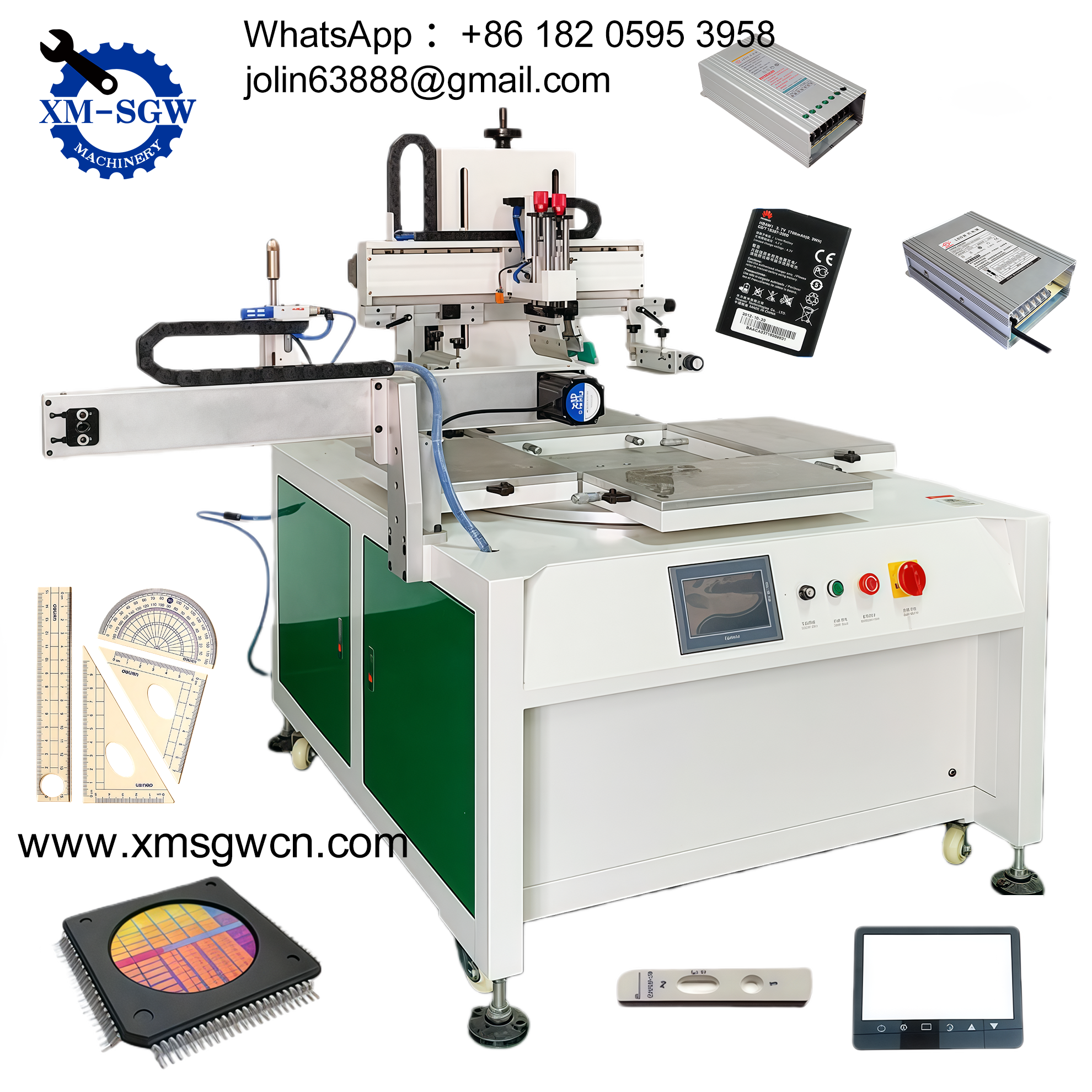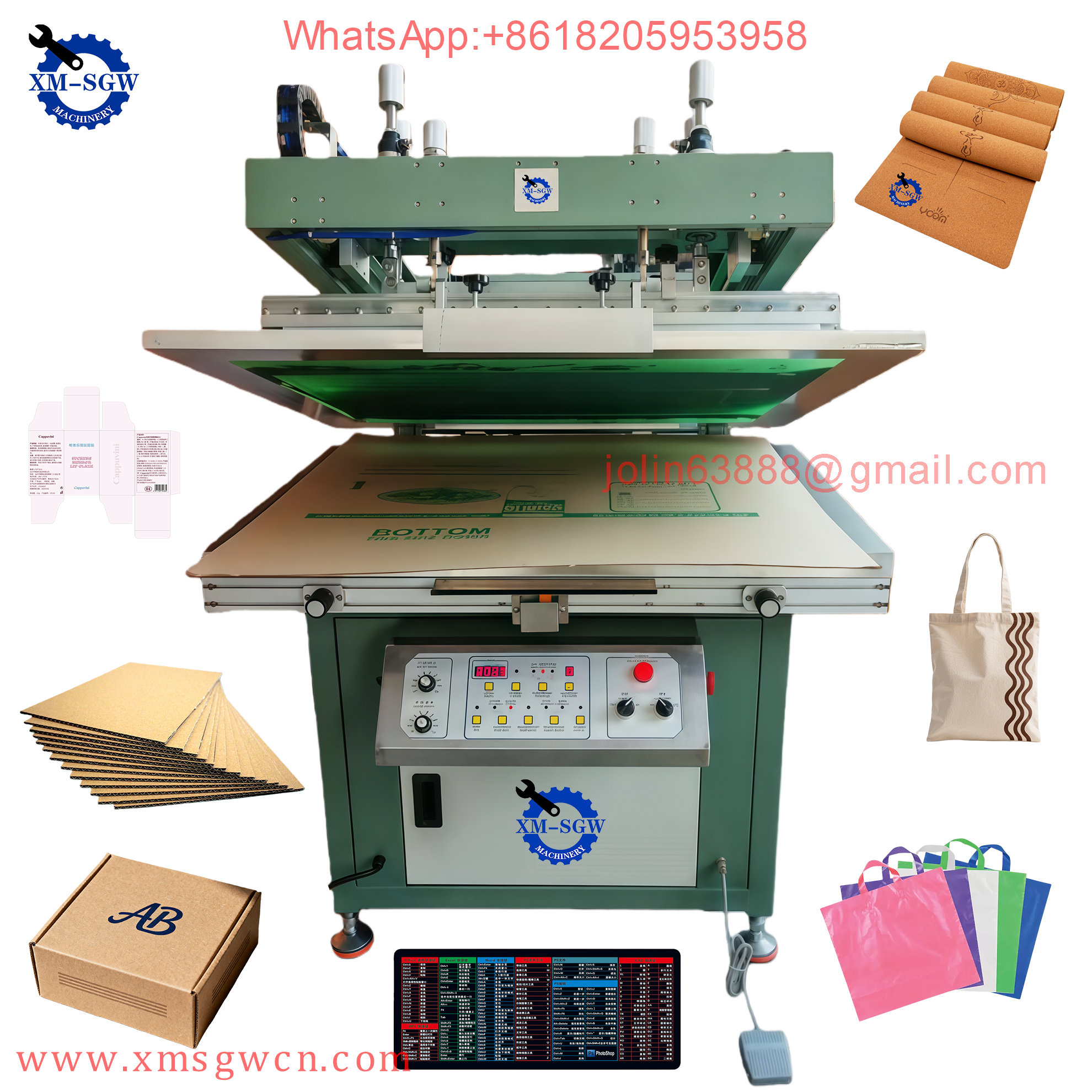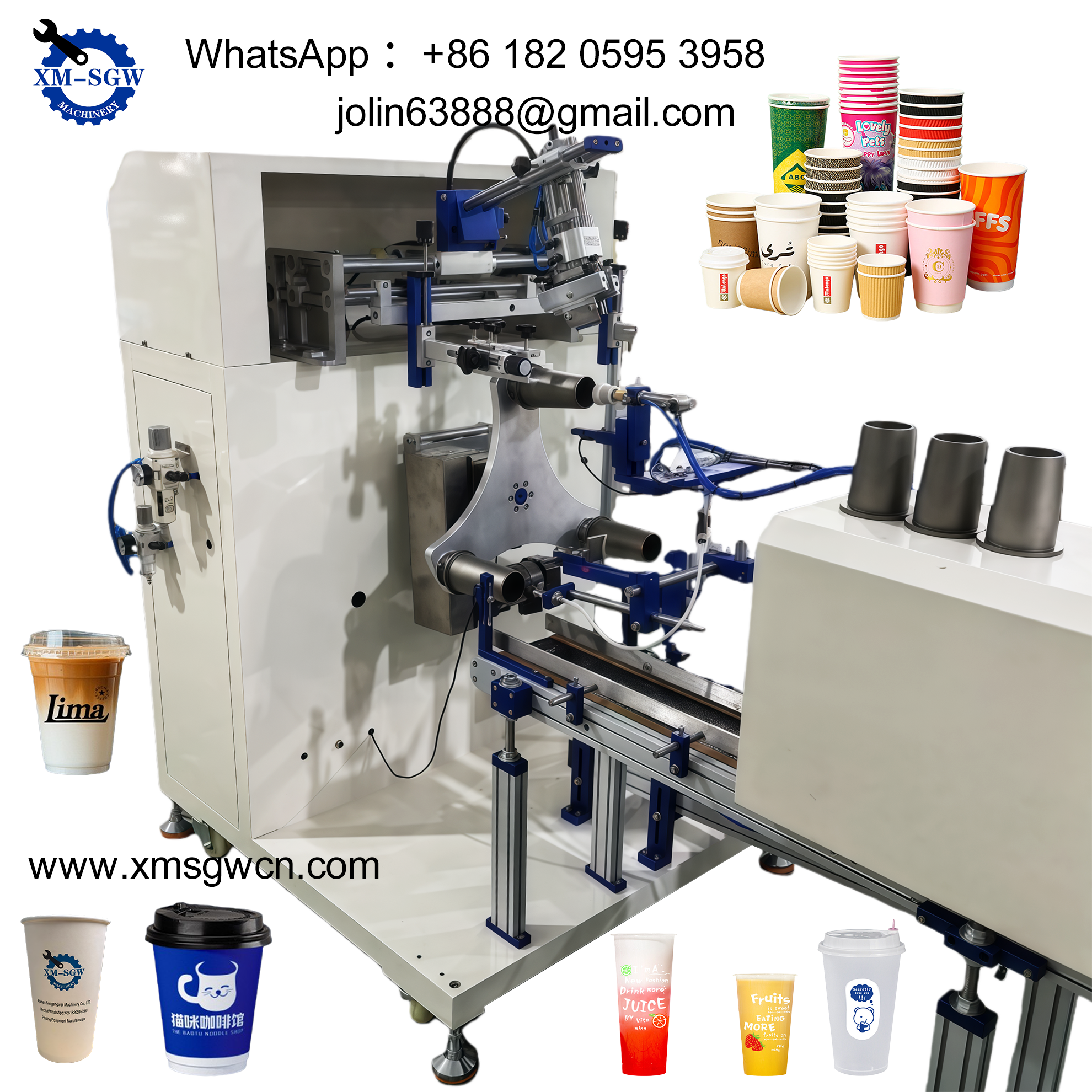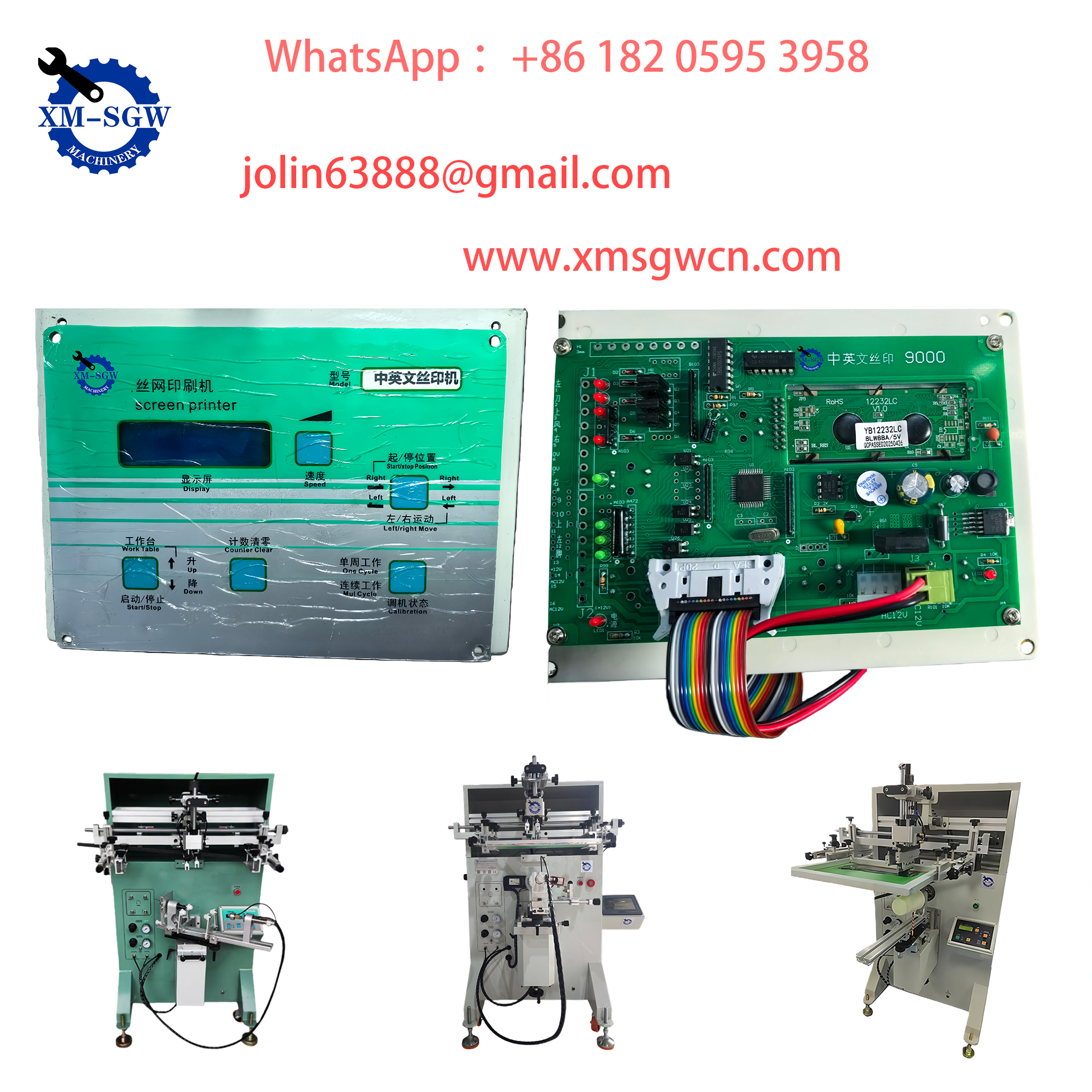
In the fast-paced world of electronics manufacturing, Printed Circuit Boards (PCBs) serve as the backbone of nearly every electronic device—from smartphones and laptops to industrial controllers and automotive electronics. The reliability, precision, and performance of PCBs directly impact the quality of the end products. Among the various manufacturing processes involved in PCB production, screen printing stands out as a critical step, and the choice of screen printing machine plays a pivotal role in ensuring consistent, high-quality results. This article delves into the significance of screen printing machines for PCB circuit boards, their core functions, key considerations for selection, and the latest trends in the industry.
1. The Role of Screen Printing in PCB Manufacturing
1. The Role of Screen Printing in PCB Manufacturing
Screen printing, also known as serigraphy, is an essential process in PCB fabrication that involves transferring ink onto the PCB surface through a stencil (screen) to create specific patterns. Its primary applications in PCB production include:
- Solder Mask Printing: This is the most common use of screen printing in PCB manufacturing. The solder mask, a protective layer of ink, is applied to the PCB to prevent unintended soldering between components, protect the copper traces from oxidation, and enhance the board’s durability. A high-precision screen printing machine ensures uniform coverage of the solder mask, avoiding gaps or overflows that could compromise the PCB’s functionality.
- Silkscreen Legend Printing: Legends are the text, symbols, and component identifiers printed on the PCB (e.g., resistor values, IC pin labels). These legends are crucial for assembly workers to correctly place components and for maintenance technicians to troubleshoot the board. Screen printing machines deliver clear, legible legends that resist fading and smudging during subsequent manufacturing steps.
- Conductive Ink Printing: For specialized PCBs, such as flexible PCBs or those used in wearable electronics, screen printing can deposit conductive inks to create simple circuits or interconnects. This process offers a cost-effective alternative to traditional copper etching for certain low-current applications.
2. Key Features to Look for in a PCB Screen Printing Machine
2. Key Features to Look for in a PCB Screen Printing Machine
Selecting the right screen printing machine is critical to optimizing PCB production efficiency and quality. Below are the key features to consider:
2.1 Precision and Accuracy
PCBs are becoming increasingly miniaturized, with smaller component footprints (e.g., 0201 chips) and tighter trace spacing. A high-quality screen printing machine must offer exceptional positional accuracy (typically ±0.01 mm or better) and repeatability to ensure that ink patterns align perfectly with the PCB’s copper traces and pads. Look for machines with advanced vision alignment systems, as these can automatically detect the PCB’s reference points and adjust the printing position to compensate for any minor variations in PCB placement.
2.2 Printing Speed and Efficiency
For high-volume PCB production, printing speed is a key factor in meeting production targets. Modern screen printing machines can achieve speeds of 300–600 boards per hour (BPH), depending on the board size and complexity. However, it’s important to balance speed with quality—some machines offer variable speed controls to adapt to different PCB types (e.g., simple single-layer boards vs. complex multi-layer boards).
2.3 Compatibility and Flexibility
PCB manufacturers often produce a wide range of board sizes and types (rigid, flexible, rigid-flex). The screen printing machine should be compatible with various PCB dimensions (e.g., from small 50×50 mm boards to large 600×500 mm panels) and thicknesses. Additionally, the machine should allow for quick changeovers between different stencils and ink types to minimize downtime when switching production runs.
2.4 Automation and Integration
Automation is a growing trend in electronics manufacturing, and screen printing machines are no exception. Automated features such as automatic PCB loading/unloading, ink stirring systems, and real-time quality inspection can significantly reduce labor costs and improve production consistency. Moreover, the machine should be easily integrable with other PCB manufacturing equipment (e.g., solder paste dispensers, reflow ovens) to form a seamless production line.
2.5 Reliability and Maintenance
A reliable screen printing machine minimizes unplanned downtime, which is crucial for maintaining production schedules. Look for machines constructed with high-quality materials (e.g., stainless steel, aluminum) and reputable components (e.g., servo motors, linear guides). Additionally, the machine should be designed for easy maintenance, with accessible parts and clear maintenance instructions to reduce the time and cost of repairs.
3. Latest Trends in PCB Screen Printing Technology
3. Latest Trends in PCB Screen Printing Technology
The PCB industry is constantly evolving, and screen printing technology is keeping pace with new innovations. Some of the latest trends include:
- 3D Screen Printing: This technology enables the printing of ink on non-flat surfaces, such as curved PCBs used in automotive dashboards or wearable devices. 3D screen printing machines use advanced motion control systems to adjust the printing head’s position dynamically, ensuring uniform ink coverage on irregular surfaces.
- Digital Screen Printing: Combining traditional screen printing with digital technology, digital screen printing machines offer on-demand printing capabilities, allowing for quick changes to ink patterns without the need for new stencils. This is particularly beneficial for small-batch production or custom PCB orders.
- Environmentally Friendly Inks and Processes: With increasing focus on sustainability, manufacturers are developing screen printing machines that are compatible with eco-friendly inks (e.g., water-based inks, low-VOC inks). Additionally, energy-efficient machines with reduced power consumption are becoming more popular.
- AI-Powered Quality Control: Some advanced screen printing machines now integrate artificial intelligence (AI) and machine learning algorithms to detect printing defects (e.g., ink smudges, missing patterns) in real time. This allows for immediate adjustments to the printing process, reducing the number of defective PCBs and improving overall yield.
4. Conclusion: Investing in the Right Screen Printing Machine
4. Conclusion: Investing in the Right Screen Printing Machine
Screen printing is a critical step in PCB manufacturing, and the quality of the screen printing machine directly impacts the performance, reliability, and cost-effectiveness of the final PCBs. When selecting a screen printing machine, manufacturers should prioritize precision, speed, flexibility, automation, and reliability to meet the demands of modern electronics production.
As the PCB industry continues to evolve with miniaturization, customization, and sustainability trends, investing in advanced screen printing technology will be key to staying competitive. Whether you’re a small-scale PCB manufacturer or a large electronics production facility, choosing the right screen printing machine is an investment in the quality and success of your products.