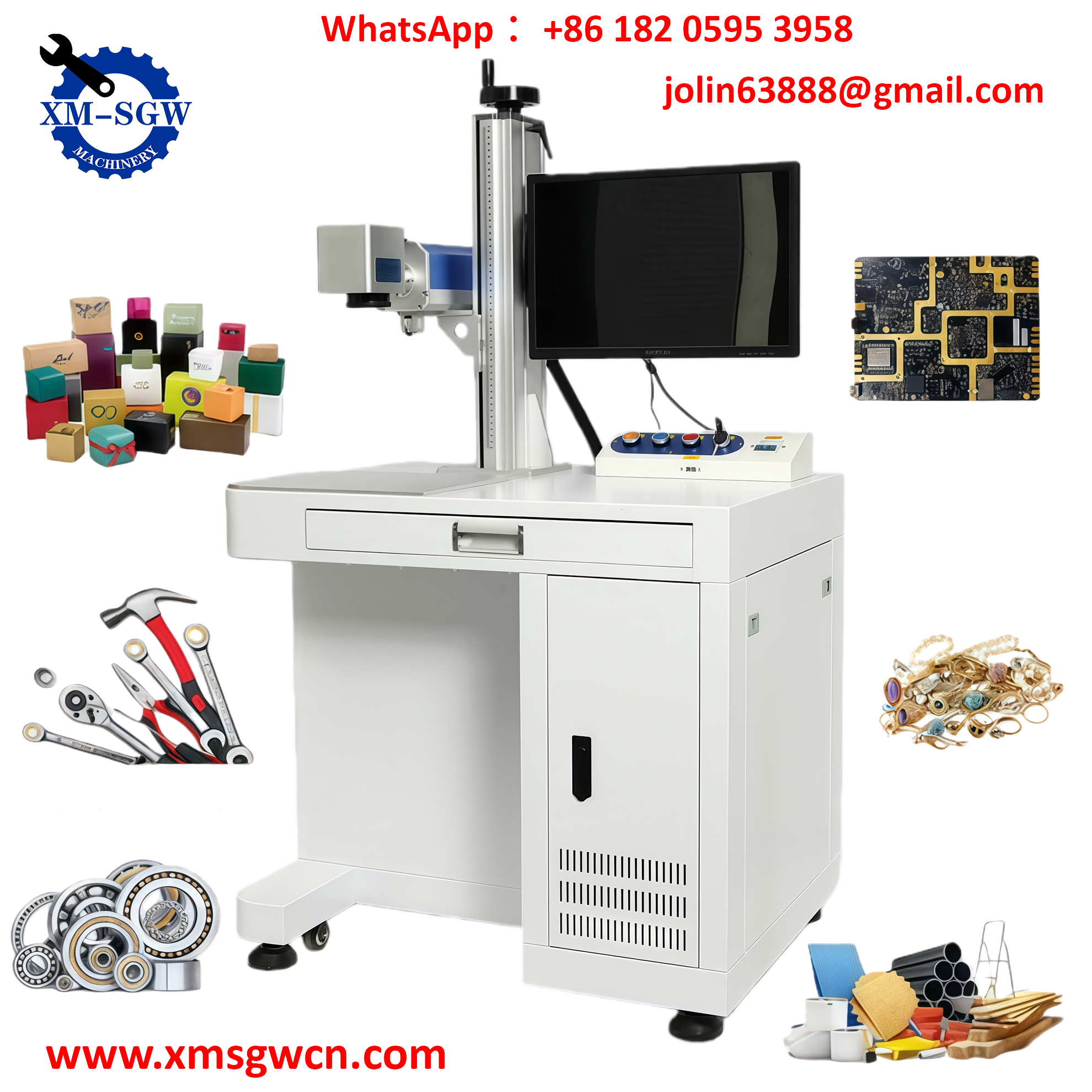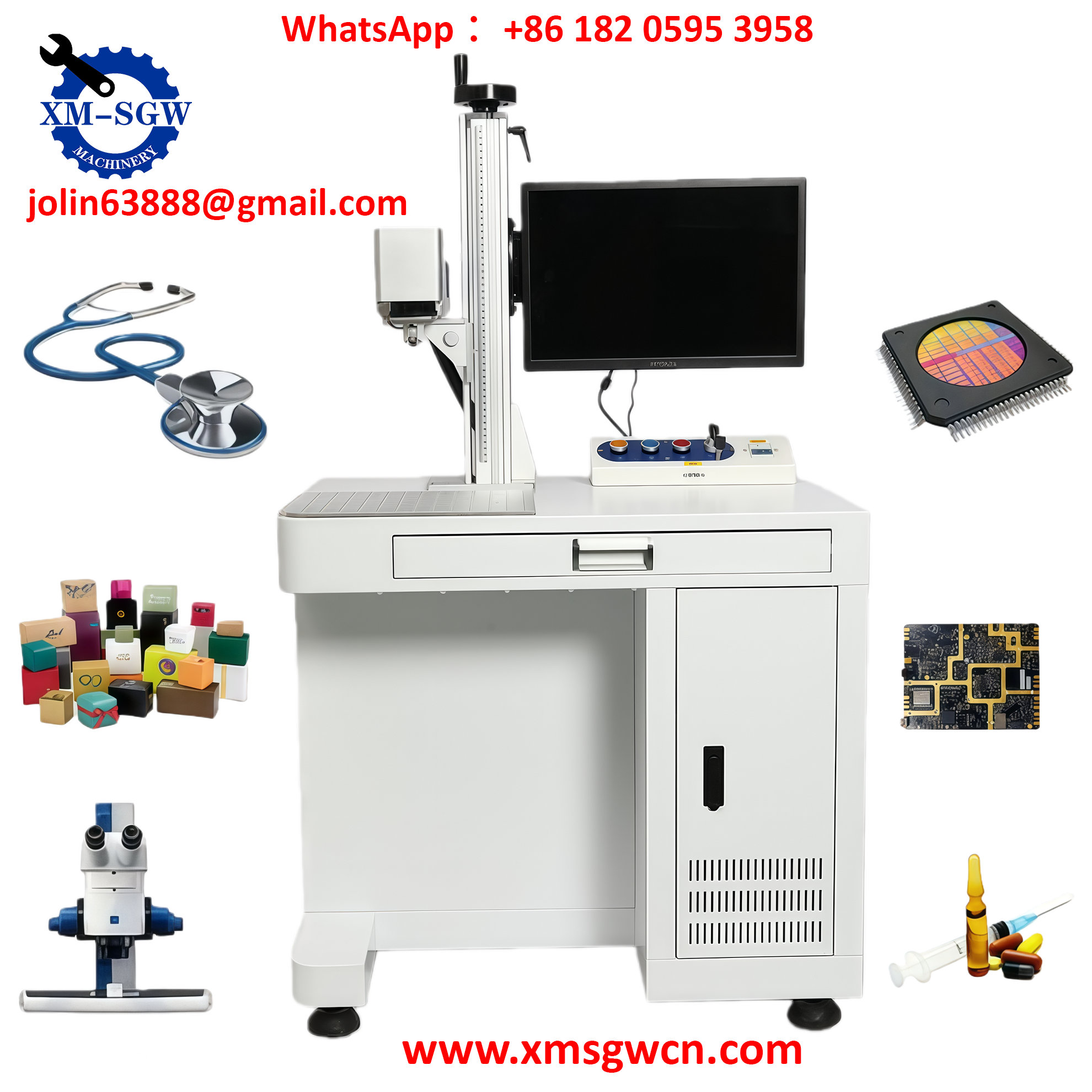
In the fast-paced world of manufacturing and production, precision, efficiency, and traceability are non-negotiable. Whether you’re marking serial numbers on metal components, logos on plastic products, or intricate patterns on ceramics, the right marking technology can elevate your operations, reduce costs, and ensure compliance with industry standards. Enter the fiber laser marking machine — a game-changing solution that combines high performance, low maintenance, and versatility to meet the demands of modern industrial environments.
Unlike traditional marking methods such as inkjet printing, dot peen, or electrochemical etching, fiber laser marking uses advanced fiber optic technology to deliver permanent, high-contrast marks with unmatched accuracy. This technology has become the preferred choice for industries ranging from automotive and electronics to aerospace and medical devices, thanks to its ability to handle a wide range of materials and deliver consistent results even in the most demanding production settings.
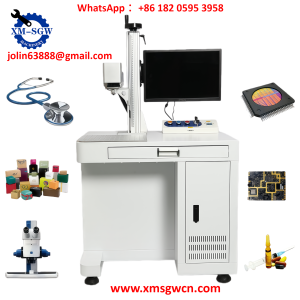
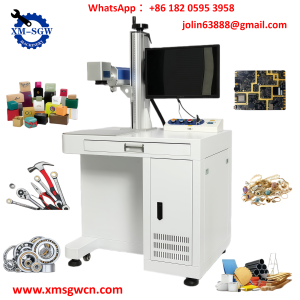
How Does a Fiber Laser Marking Machine Work?
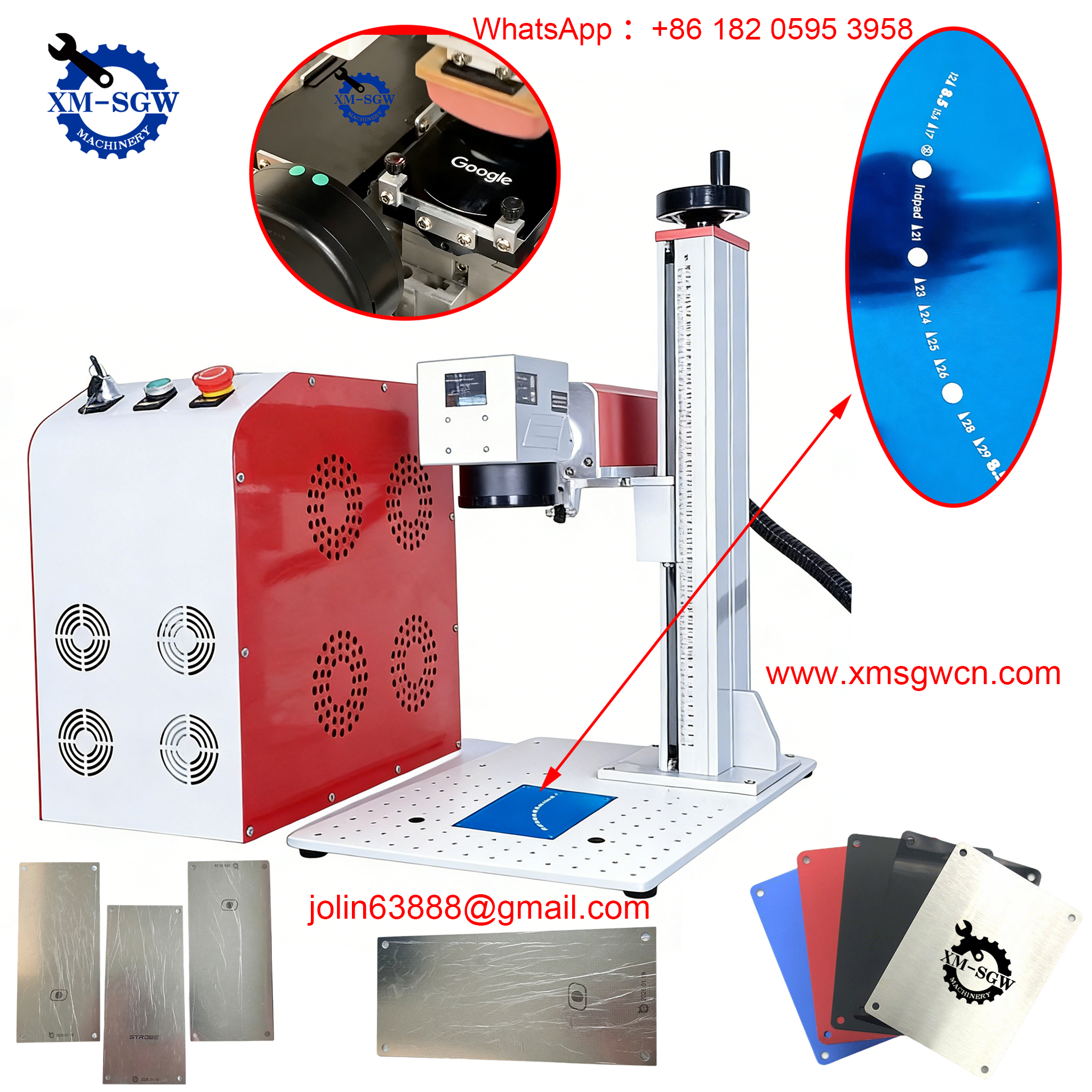
At its core, a fiber laser marking machine generates a focused infrared laser beam (typically with a wavelength of 1064nm or 1090nm) using a fiber optic source doped with ytterbium. This laser beam is amplified as it travels through the optical fiber, then guided and focused by a series of mirrors and an F-theta lens to hit a precise spot on the material surface. The laser interacts with the material — either by annealing, ablating, or discoloring it — to create a permanent mark without damaging the substrate or requiring consumables like ink or dyes.
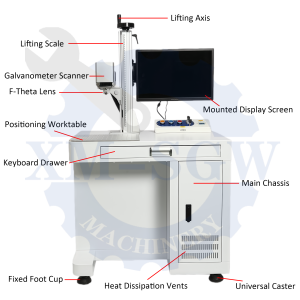
Key components of a fiber laser marking machine include the laser source, pump diodes (which excite the fiber to produce light), a galvo scanner (to direct the laser beam across the work surface), control software (to adjust parameters like speed and power), and a cooling system (to ensure stable operation). The entire process is non-contact, meaning there is no physical wear on parts and no risk of material distortion, making it ideal for delicate or high-value components.
Core Advantages of Fiber Laser Marking Machines
What sets fiber laser marking machines apart from other marking technologies? Their unique combination of speed, precision, and durability delivers tangible benefits for businesses of all sizes:
1. Unmatched Precision & Clarity
Fiber laser marking machines produce an ultra-fine laser beam (as small as 0.02mm) that enables intricate marking of tiny barcodes, serial numbers, QR codes, and complex logos. This level of precision is critical for industries like electronics and medical devices, where traceability and readability are essential. Whether marking on small silicon wafers or large metal parts, the marks are crisp, consistent, and resistant to fading, smudging, or wear.
2. High Speed & Efficiency
Designed to keep up with high-volume production lines, fiber laser marking machines offer exceptional speed — with some models capable of marking up to 2,000 characters per second or 900 meters per minute for packaging applications. This speed is 3–5 times faster than traditional marking methods, reducing production cycle times and enabling businesses to handle large orders with ease. The machines also feature large marking windows (up to 498mm wide) to provide more printing time per product without slowing down production.
3. Low Maintenance & Long Lifespan
Fiber laser sources have an impressive operational life of up to 100,000 hours — that’s over 8 years of continuous use (assuming 8 hours per day, 5 days a week). Unlike CO2 lasers or inkjet systems, they require minimal maintenance: no ink, dyes, or stylus tips to replace, and only occasional lens cleaning is needed. This reduces downtime, lowers operating costs, and delivers a high return on investment (ROI) for businesses.
4. Versatility Across Materials
Fiber laser marking machines excel at marking a wide range of materials, with a particular focus on metals — including stainless steel, aluminum, brass, copper, and titanium. They also work effectively on plastics (such as ABS, polycarbonate, and polyamide), ceramics, composites (like carbon fiber-reinforced plastic), and even silicon wafers for the semiconductor industry. The ability to switch between materials without hardware adjustments makes these machines highly flexible for diverse production needs.
5. Durability for Harsh Industrial Environments
Built with rugged mechanics and air-cooling systems, fiber laser marking machines are designed to withstand demanding industrial conditions. Many models feature IP54 or IP65 protection ratings: IP54 protects against dust and splashing water, while IP65 offers complete dust sealing and resistance to water jets — ideal for harsh manufacturing environments. This durability ensures consistent performance even under continuous use.
Applications Across Industries
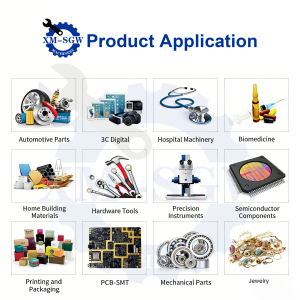
The versatility and performance of fiber laser marking machines make them indispensable across a wide range of industries. Here are some key applications:
Automotive Industry
Mark VIN codes, engine parts, component identifiers, and safety labels on metal and plastic components to ensure traceability throughout the product lifecycle. Fiber laser marking is fast enough to keep up with automotive assembly lines while delivering permanent, legible marks that comply with industry regulations.
Electronics Industry
Mark circuit boards (PCBs), microchips, connectors, and electronic components with serial numbers, QR codes, and brand logos. The high precision of fiber lasers ensures marks are tiny yet readable, without damaging delicate electronic components.
Aerospace Industry
Precisely mark turbine blades, flight instruments, and safety equipment with inspection marks, serial numbers, and compliance information to meet strict aerospace regulations. Fiber lasers handle composite materials and high-strength metals with ease, delivering durable marks that withstand extreme conditions.
Medical Device Industry
Mark medical instruments, implants, and packaging with unique device identification (UDI) codes, serial numbers, and sterilization instructions. The non-contact, sterile process ensures no contamination, while permanent marks maintain readability even after repeated sterilization.
Other Industries
Fiber laser marking is also used in jewelry (engraving intricate designs on precious metals), packaging (high-speed marking on product packaging), and industrial tools (marking tool serial numbers and logos).
How to Choose the Right Fiber Laser Marking Machine
With a wide range of models and configurations available, selecting the right fiber laser marking machine depends on your specific needs. Here are key factors to consider:
-
Material Compatibility: Ensure the machine is suitable for the materials you work with (e.g., metals, plastics, ceramics) and can achieve the desired mark quality.
-
Laser Power: Choose a power level (typically 10W to 100W) based on your marking needs — lower power for fine surface marks, higher power for deep engraving.
-
Integration with Existing Systems: Look for machines that can seamlessly integrate with your current production lines and automation systems (e.g., PLCs, conveyor lines).
-
IP Protection Rating: Select a machine with an IP rating that matches your environment (IP54 for standard industrial settings, IP65 for harsher conditions).
-
User-Friendliness: Opt for machines with intuitive control software (supporting AI, DXF, PLT file formats) that require minimal training for operators.
FAQs About Fiber Laser Marking Machines
Q: How does a fiber laser marking machine differ from a CO2 laser marking machine?
A: Fiber lasers are optimized for marking metals and some plastics, with a smaller beam size and higher intensity than CO2 lasers. CO2 lasers are better suited for non-metallic materials like wood, paper, and fabric. Fiber lasers also have a longer lifespan and lower maintenance requirements.
Q: Are fiber laser marks permanent?
A: Yes — fiber laser marks are permanent because they physically alter the surface of the material (through annealing, ablation, or discoloration), rather than applying a temporary coating like inkjet printing. They are resistant to fading, smudging, and wear, making them ideal for traceability and branding.
Q: Do fiber laser marking machines require a lot of space?
A: No — many fiber laser marking machines feature a compact design, with some models offering handheld or small marking heads (like the world’s smallest Titus™ marking head) for easy integration into tight spaces or portable use. Even industrial models have a small footprint, making them suitable for any production environment.
Q: What is the cost of operating a fiber laser marking machine?
A: Operating costs are extremely low — there are no consumables (ink, dyes, or stencils) to replace, and electricity consumption is minimal. Maintenance costs are also low, with only occasional lens cleaning required. The long lifespan of the laser source ensures a high ROI over time.
Elevate Your Production with a Fiber Laser Marking Machine
In today’s competitive industrial landscape, precision, speed, and cost-efficiency are key to success. A fiber laser marking machine delivers all three, helping you streamline operations, improve traceability, and create high-quality, permanent marks on a wide range of materials. Whether you’re a small business or a large manufacturing enterprise, this technology is an investment that pays off in reduced downtime, lower costs, and enhanced product quality.
Ready to take your marking operations to the next level? Contact our team today to learn more about our fiber laser marking solutions, request a demo, or get a customized quote tailored to your specific needs. Let us help you unlock the full potential of fiber laser technology for your business.