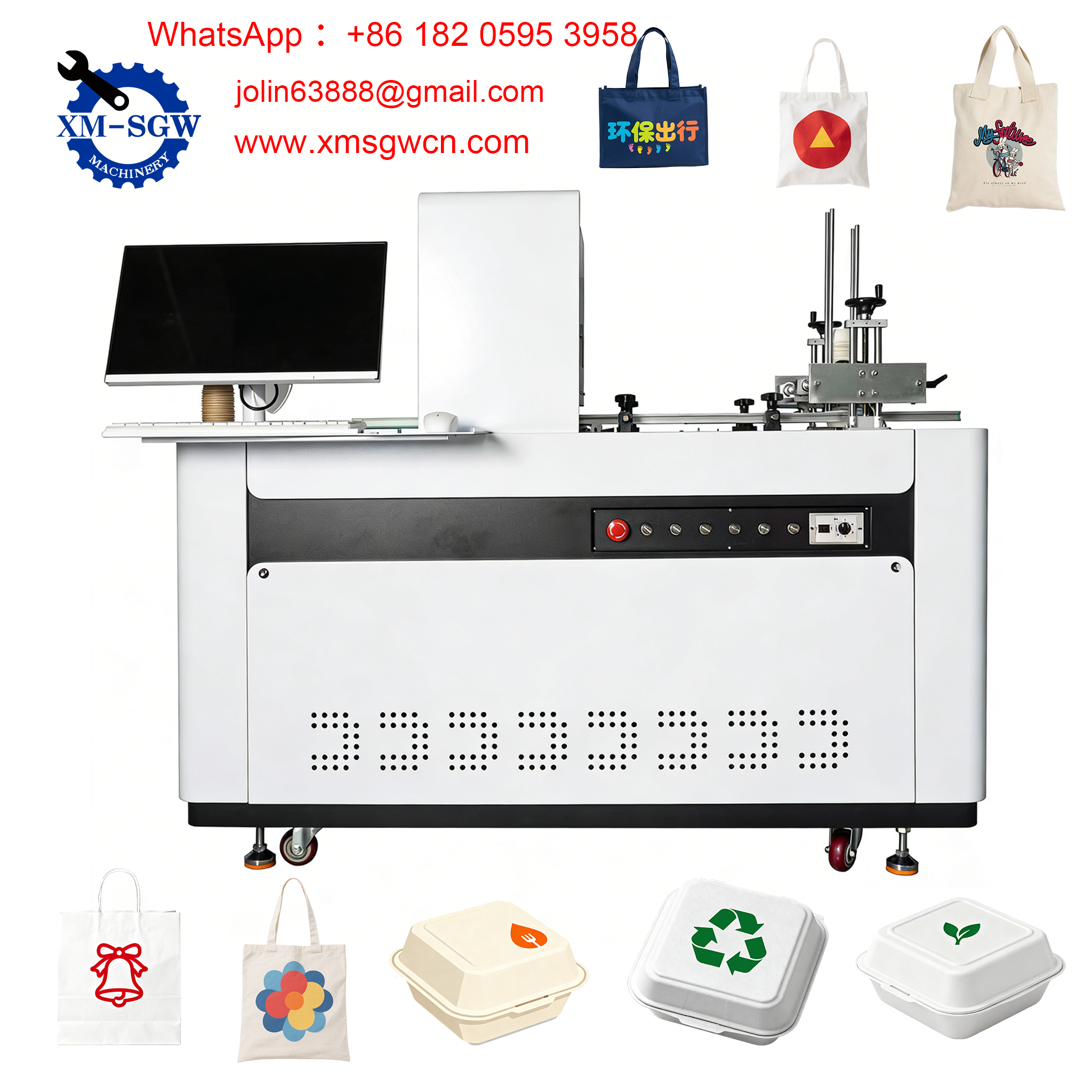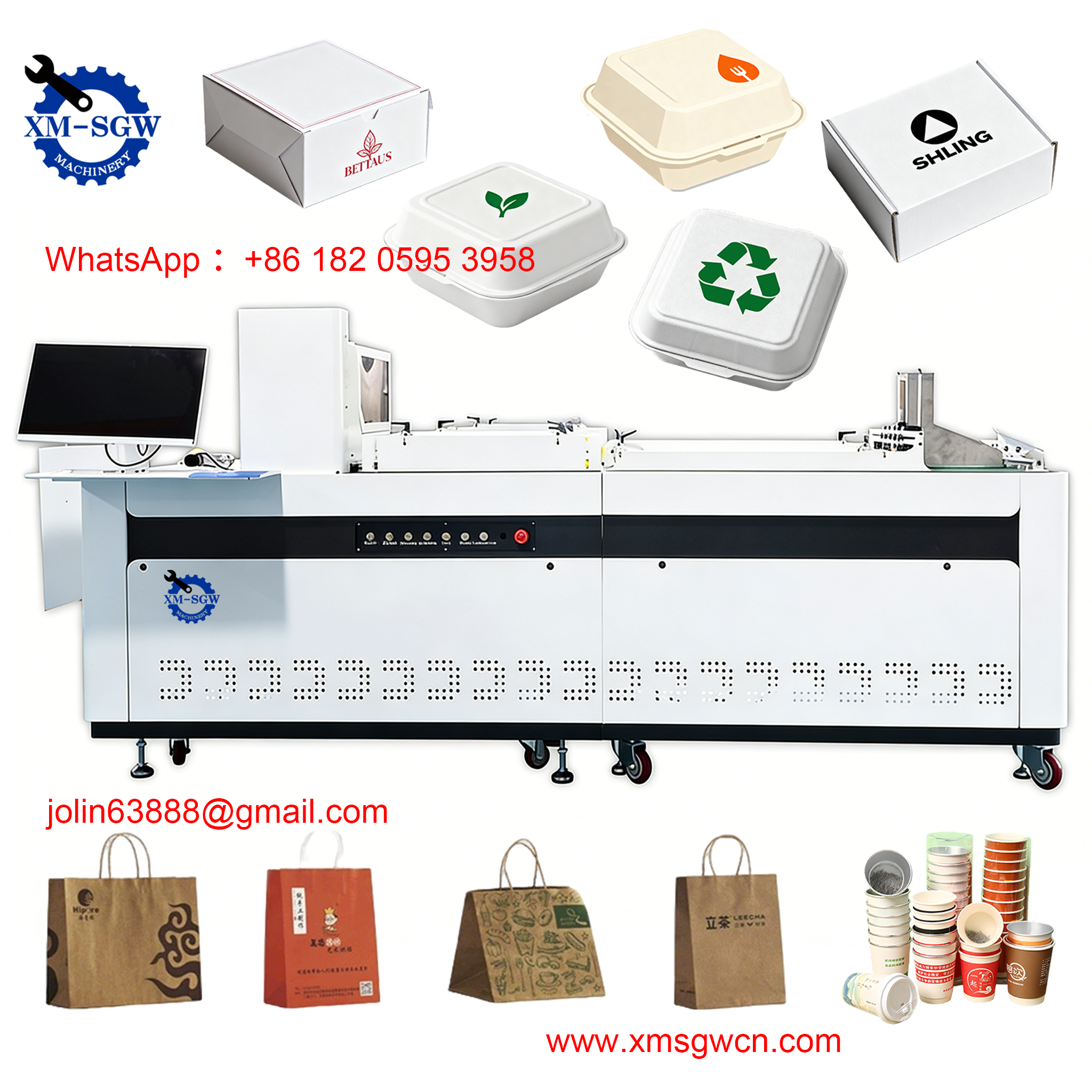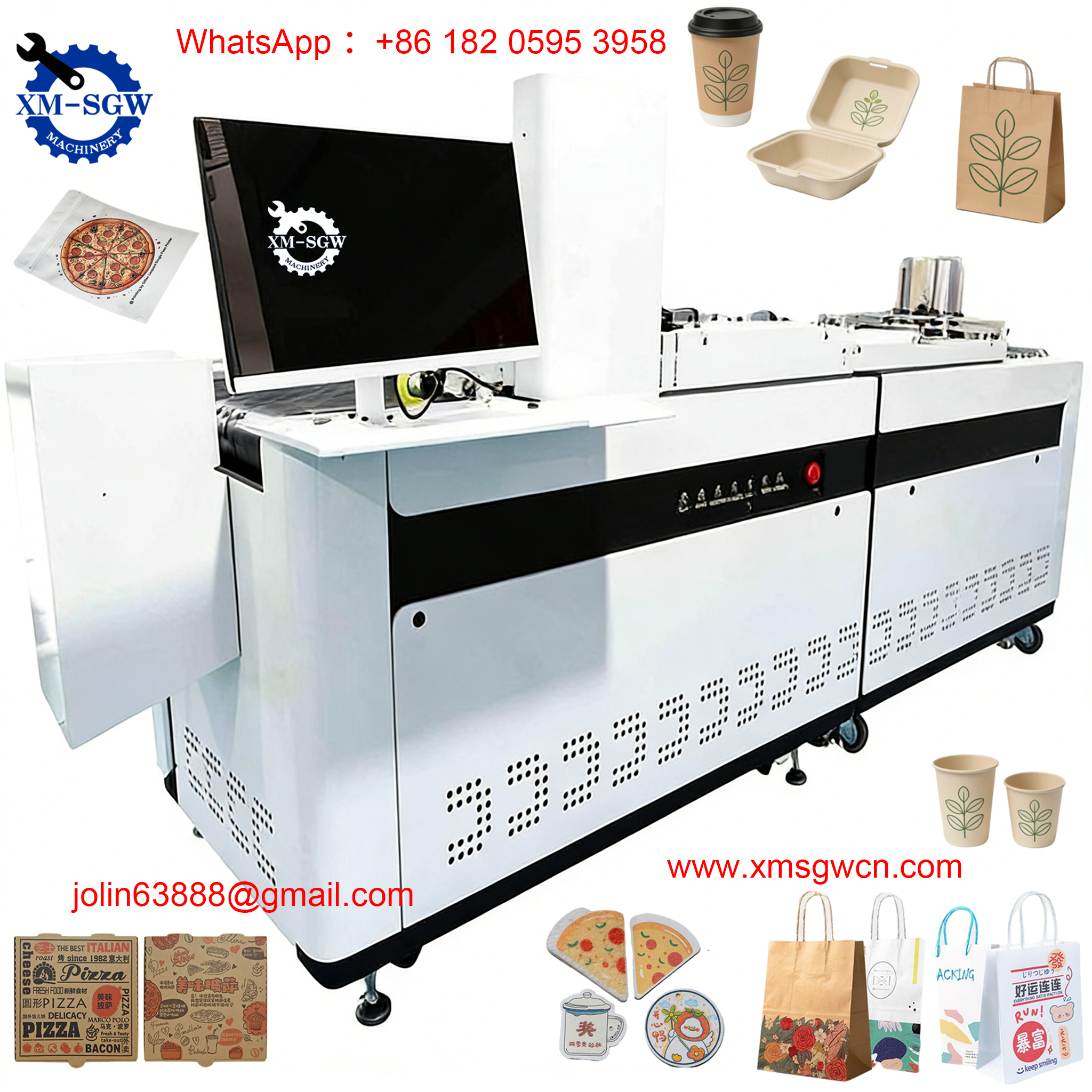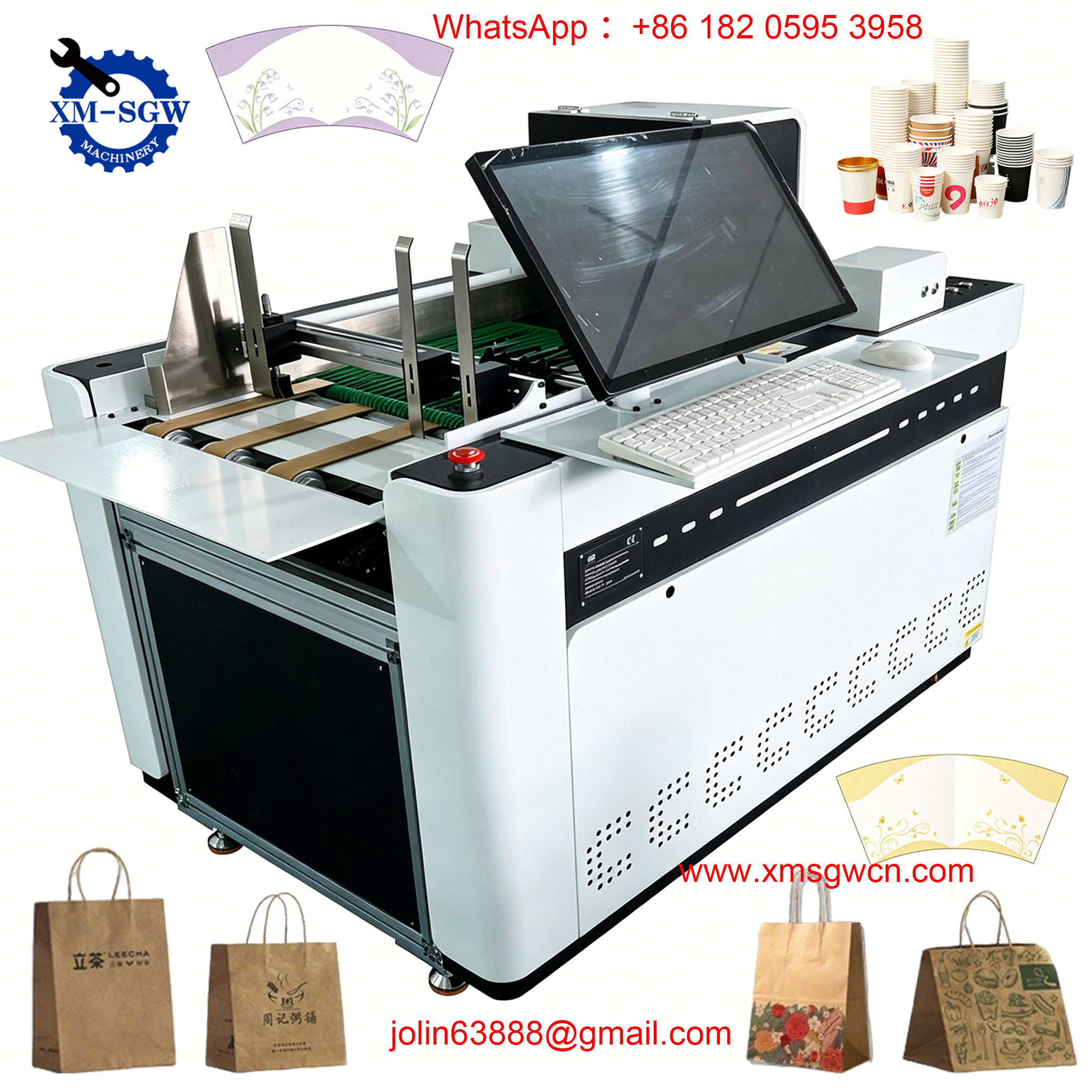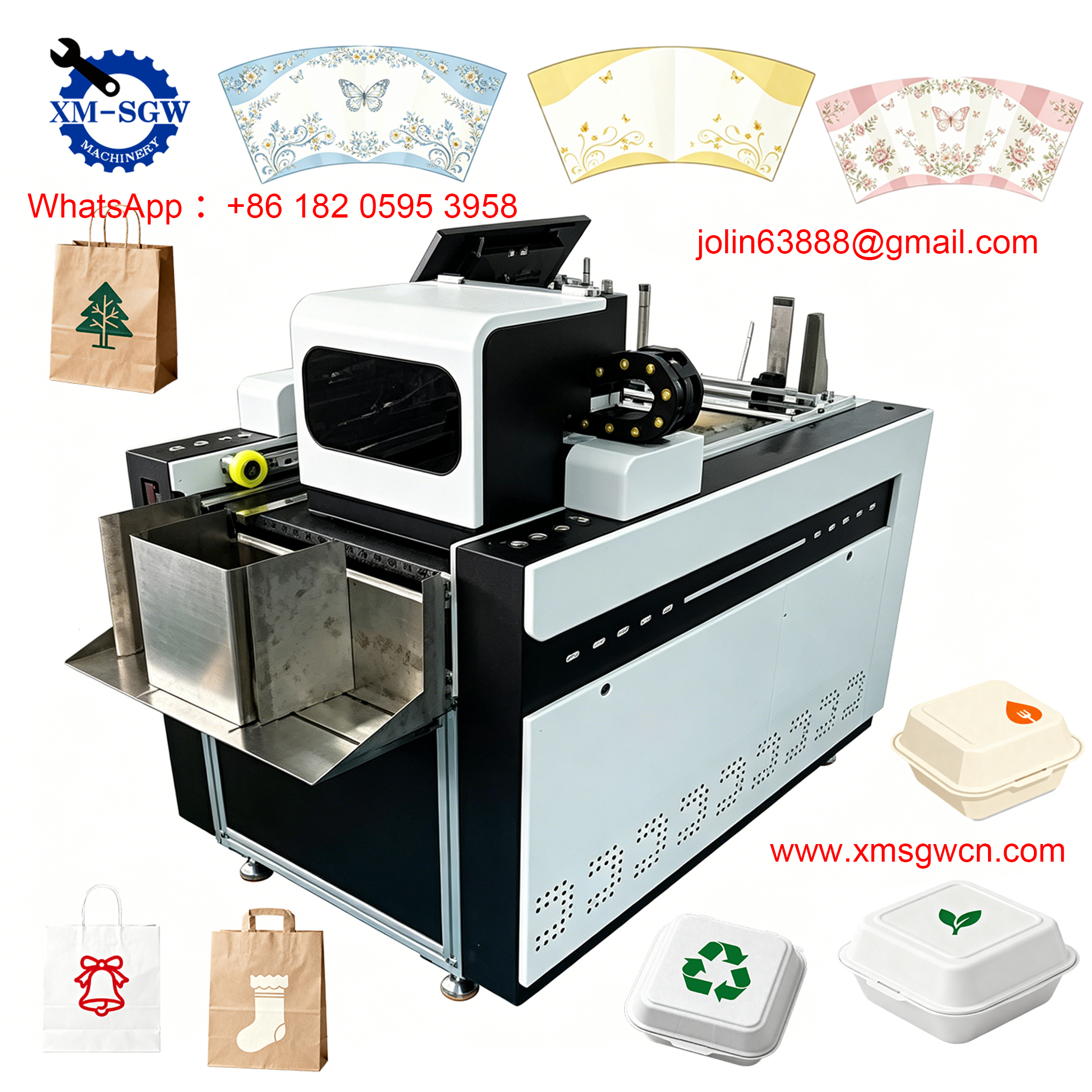
In an era where speed, customization, and quality define success, digital printers have emerged as game-changers across industries—from small businesses and marketing agencies to manufacturing plants and creative studios. Unlike traditional offset printing, which relies on time-consuming plate preparation and is cost-prohibitive for small runs, digital printing delivers instant, high-quality results that adapt to the demands of modern production. Whether you’re printing personalized marketing materials, custom packaging, or industrial signage, a digital printer transforms your digital designs into tangible, professional outputs with unmatched efficiency. This guide dives into everything you need to know about digital printers: how they work, their key benefits, top use cases, and how to choose the right one for your needs.
What Is a Digital Printer, and How Does It Work?
A digital printer is a device that directly transfers digital images and text onto a variety of substrates—including paper, fabric, plastic, glass, and metal—without the need for physical printing plates. This “plate-free” technology streamlines the printing process, allowing for on-demand production, variable data customization, and quick turnaround times that traditional printing methods simply can’t match.
At its core, digital printing uses either inkjet or laser technology to reproduce digital files:
-
Inkjet Digital Printers: These printers spray tiny droplets of ink directly onto the substrate. They excel at producing vibrant, photo-quality prints and are versatile enough to handle a wide range of materials—from standard paper to textiles and rigid surfaces like wood or acrylic. Advanced inkjet models use piezoelectric printheads for micron-precision control, ensuring smooth gradients and sharp details even at high speeds.
-
Laser Digital Printers: Using toner (a fine powder) and electrostatic charge, laser printers fuse toner onto the substrate to create crisp, durable text and images. They are ideal for high-volume, text-heavy printing (such as documents, brochures, and flyers) and offer faster print speeds for large batches.
Both technologies eliminate the setup time and costs associated with traditional offset printing, making digital printing the go-to choice for businesses that need flexibility, speed, and customization.
Why Choose a Digital Printer? Key Benefits for Businesses
Digital printers have revolutionized the printing industry by addressing the biggest pain points of traditional methods—cost, speed, and inflexibility. Here are the top benefits that make digital printing a smart investment for any business:
1. Cost-Effective Short-Run Production
Traditional offset printing requires expensive plate creation and setup, which only becomes cost-effective for large print runs (often thousands of copies). Digital printing, however, has no plate costs, meaning you can print as few as 10 or as many as 10,000 copies at a reasonable price. This is a game-changer for small businesses, startups, and marketing teams that need small batches of personalized materials—such as event flyers, custom business cards, or limited-edition packaging—without breaking the bank.
2. Lightning-Fast Turnaround Times
With no plate preparation or drying time required, digital printers can start producing prints within minutes of receiving your digital file. This is critical for time-sensitive projects, such as last-minute marketing campaigns, event materials, or urgent document printing. Unlike offset printing, which can take days to set up and complete, digital printing delivers finished products in hours—helping you meet tight deadlines and stay ahead of the competition.
3. Unlimited Customization & Variable Data Printing
One of the most powerful features of digital printing is its ability to personalize every print piece without additional cost. Variable data printing (VDP) allows you to change text, images, or graphics on each individual print—perfect for targeted marketing campaigns, personalized direct mail, or custom products (like branded merchandise or personalized invitations). For example, you can print 100 flyers with different customer names, or 500 product labels with unique QR codes—all in a single print run. This level of customization helps businesses connect with their audience on a more personal level and boost engagement.
4. High-Quality Output & Consistency
Modern digital printers deliver professional, high-resolution prints that rival (and often exceed) the quality of offset printing. With advanced color calibration technology and precision ink/toner application, digital printers ensure consistent color accuracy and sharp details across every print—even for large batches. Whether you’re printing a full-color brochure, a photo poster, or a custom packaging design, you can trust that each piece will look polished and professional.
5. Eco-Friendly & Reduced Waste
Digital printing is more sustainable than traditional offset printing for two key reasons: it produces less waste and uses eco-friendly materials. Since you only print the exact number of copies you need, there’s no excess inventory or wasted paper. Additionally, many digital printers use water-based, non-toxic inks that are better for the environment than the chemical-heavy inks used in offset printing. This aligns with the global push toward sustainable manufacturing and helps businesses reduce their carbon footprint.
Top Use Cases for Digital Printers
Digital printers are incredibly versatile, making them suitable for a wide range of industries and applications. Here are some of the most common use cases where digital printing shines:
1. Marketing & Advertising
Digital printing is ideal for creating eye-catching marketing materials that stand out. From brochures, flyers, and postcards to banners, posters, and retractable displays, digital printers deliver vibrant, high-quality prints that capture attention. Marketers can also leverage variable data printing to create targeted campaigns—such as personalized coupons, region-specific flyers, or customer-specific mailers—that drive higher engagement and conversion rates.
2. Packaging & Labeling
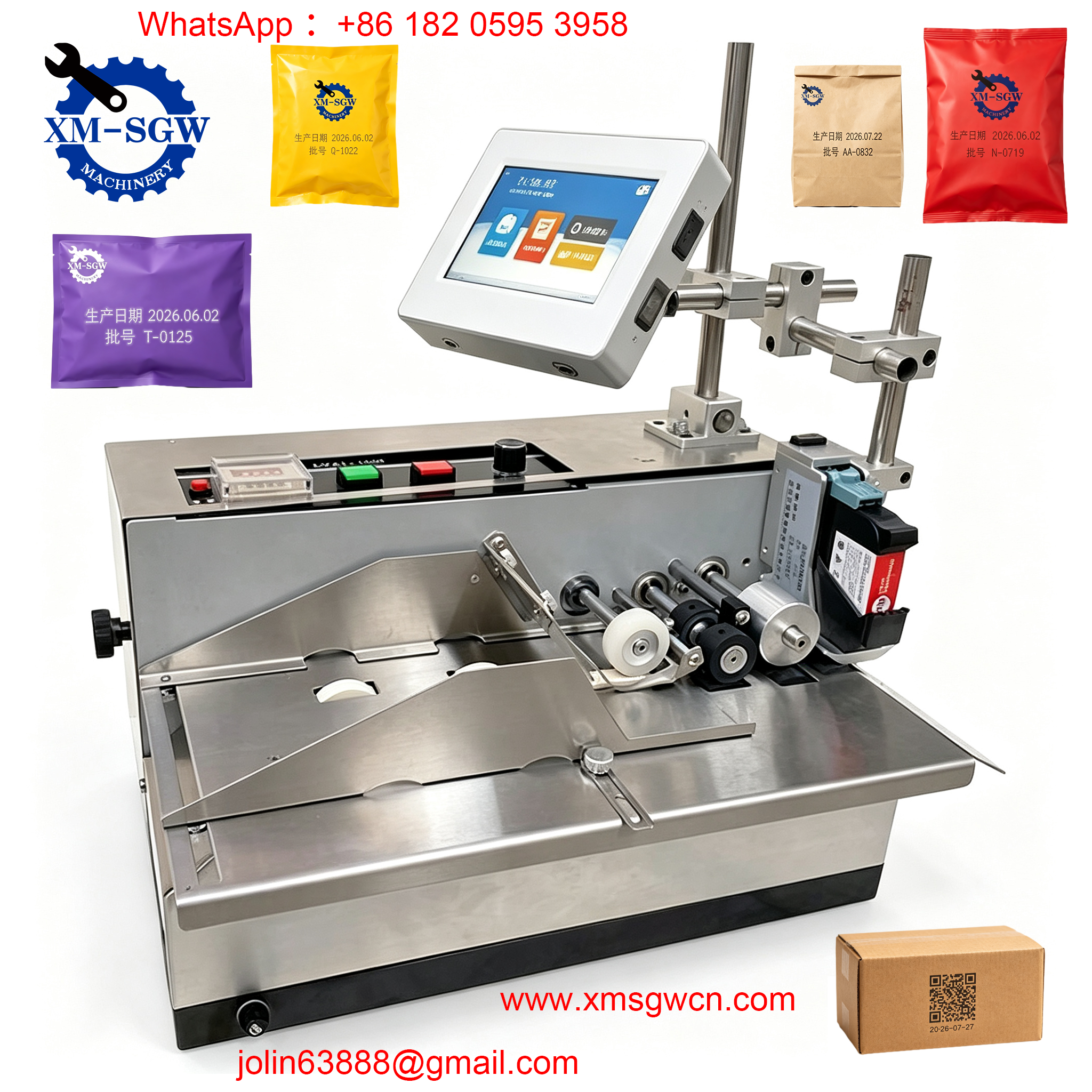
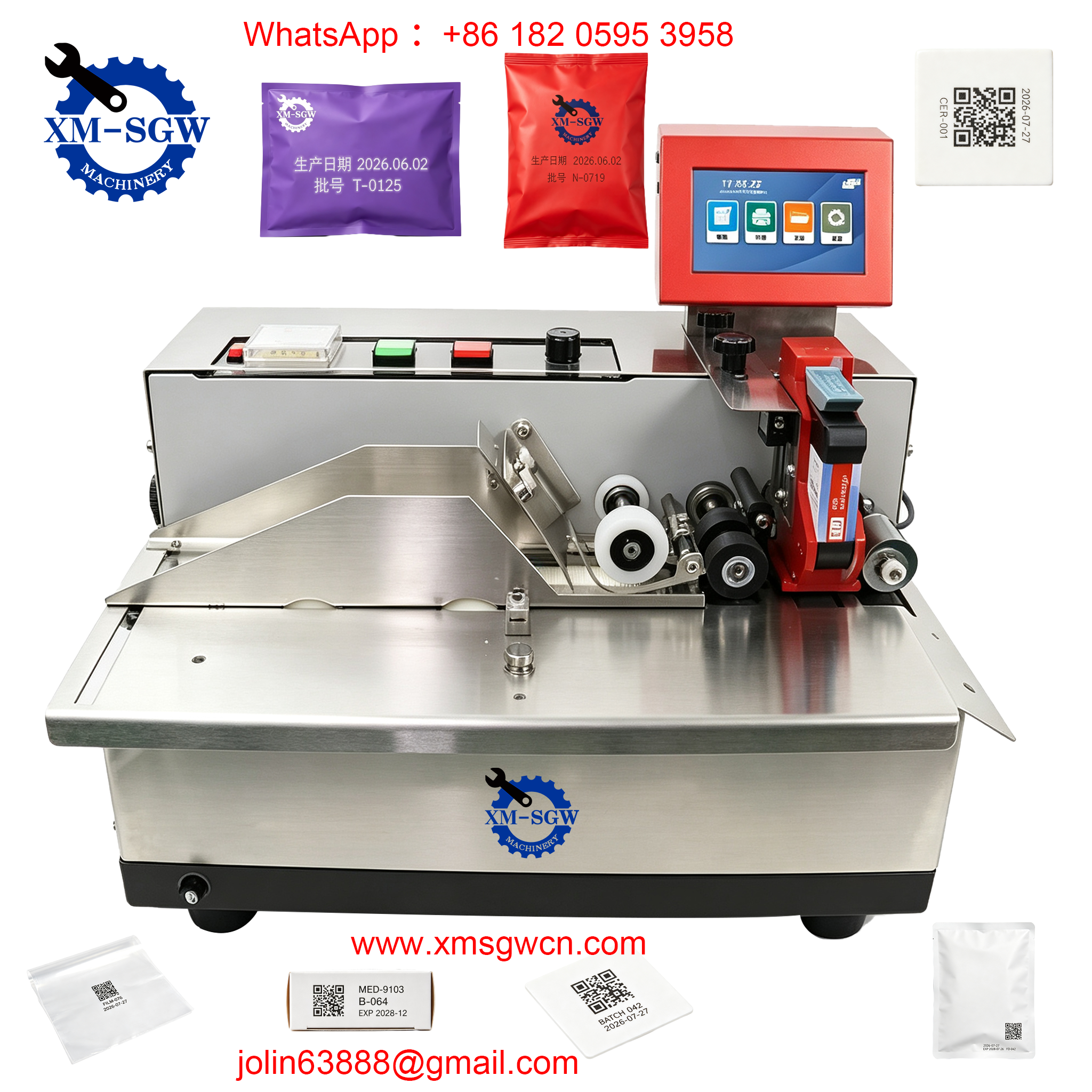
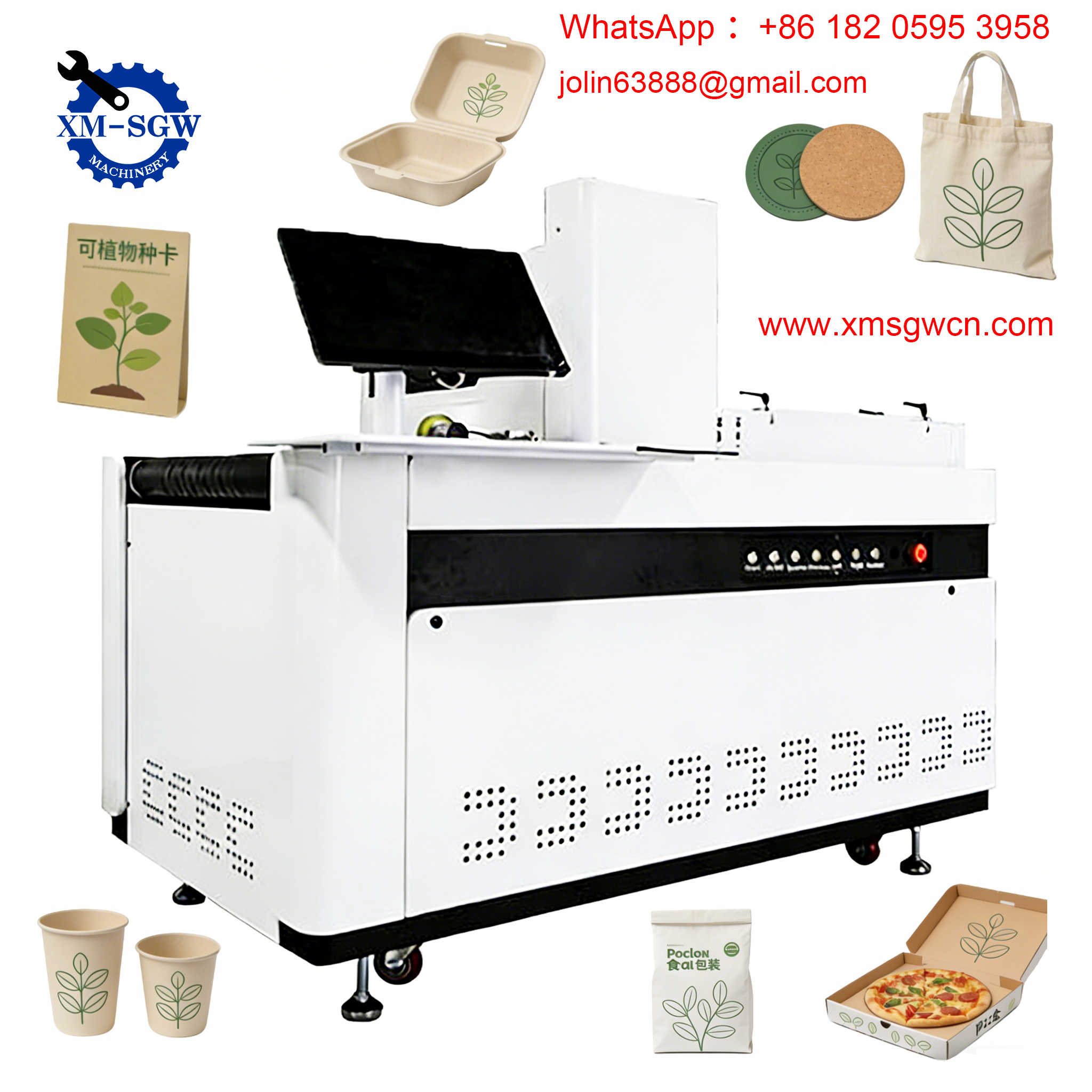
With the rise of e-commerce and personalized products, digital printing has become a staple in the packaging industry. Businesses can print custom product labels, flexible packaging, and corrugated boxes in small batches, allowing for quick product launches and limited-edition runs. Digital printing also supports unique finishes (like matte, glossy, or metallic) and textures, helping brands create packaging that reflects their identity and stands out on store shelves.
3. Industrial & Manufacturing
In industrial settings, digital printers are used to print on rigid materials like metal, plastic, glass, and wood—making them ideal for signage, industrial labels, and product components. UV digital printers, for example, can print on uneven surfaces and produce durable, weather-resistant outputs that withstand harsh environments. This is critical for industries like construction, automotive, and electronics, where high-quality, long-lasting prints are essential.
4. Education & Healthcare
Schools, universities, and healthcare facilities rely on digital printers for a variety of needs—from printing textbooks, lesson plans, and student ID cards to medical charts, patient information sheets, and pharmaceutical labels. Digital printing’s speed and accuracy ensure that critical documents are produced quickly and correctly, while its customization capabilities allow for personalized learning materials and patient-specific information.
5. Creative & Personal Use
Digital printers are also popular among artists, designers, and individuals for personal projects. Whether you’re printing fine art prints, custom photo albums, wedding invitations, or home décor (like canvas prints or wall art), digital printers deliver museum-quality results that bring your creative vision to life. Many home and small-office digital printers are compact and user-friendly, making them accessible to anyone who wants to create professional-quality prints at home.
How to Choose the Right Digital Printer for Your Business
With so many digital printers on the market, choosing the right one can be overwhelming. Here are the key factors to consider to ensure you select a printer that meets your needs and budget:
1. Print Volume & Speed
Consider how many prints you’ll need to produce per day, week, or month. If you’re a small business or home user, a compact inkjet or laser printer with a moderate speed (10–30 pages per minute) will suffice. For high-volume environments (like print shops or large corporations), look for industrial-grade digital printers with speeds of 50+ pages per minute or wide-format capabilities for large prints (like banners or signage).
2. Substrate Compatibility
Think about the materials you’ll be printing on. If you only need to print on standard paper, a basic digital printer will work. However, if you plan to print on fabric, plastic, metal, or rigid surfaces, you’ll need a specialized digital printer (like an inkjet printer with UV curing or a flatbed printer) that can handle those materials. Make sure to check the printer’s substrate compatibility before making a purchase.
3. Print Quality & Resolution
Resolution (measured in dots per inch, or DPI) determines the sharpness and clarity of your prints. For text-heavy documents, a resolution of 600 DPI is sufficient. For photo-quality prints, marketing materials, or fine art, look for a printer with 1200 DPI or higher. Additionally, check the printer’s color capabilities—some printers offer CMYK (cyan, magenta, yellow, black) color printing, while others include additional ink colors for more vibrant, accurate results.
4. Customization & Features
If you need variable data printing or personalized outputs, make sure the printer supports VDP and is compatible with your design software (like Adobe Illustrator or Photoshop). Other useful features to look for include wireless connectivity (for printing from phones, tablets, or laptops), automatic duplex printing (to save paper), and built-in scanning/copying capabilities (for all-in-one functionality).
5. Cost & Maintenance
Consider both the upfront cost of the printer and the long-term maintenance costs (like ink/toner, paper, and repairs). Inkjet printers are typically more affordable upfront, but ink cartridges can be expensive over time. Laser printers have a higher upfront cost but are more cost-effective for high-volume printing, as toner cartridges last longer. Additionally, look for printers with a reliable warranty and easy-to-access customer support to minimize downtime.
The Future of Digital Printing: Innovation & Growth
The digital printing industry is constantly evolving, with new technologies and innovations pushing the boundaries of what’s possible. The global digital printing market, valued at USD 51.33 billion in 2023, is projected to grow to USD 76.90 billion by 2030—driven by demand for short-run production, personalized products, and sustainable workflows. Emerging trends include:
-
AI Integration: AI-powered digital printers can automatically adjust color settings, detect errors, and optimize print quality—reducing waste and improving efficiency.
-
Eco-Friendly Innovations: More printers are using recycled materials, water-based inks, and energy-efficient designs to meet growing demand for sustainable printing solutions.
-
3D Digital Printing: Combining digital printing with 3D technology allows for the creation of custom 3D objects—opening up new possibilities in manufacturing, healthcare, and creative design.
-
Hybrid Printing: Hybrid digital printers combine the best of inkjet and laser technology, offering versatility and high-quality results for a wide range of applications.
Final Thoughts: Invest in Digital Printing for Long-Term Success
Digital printers have transformed the way businesses produce and distribute printed materials—offering speed, flexibility, and customization that traditional printing methods can’t match. Whether you’re a small business looking to create personalized marketing materials, a large corporation needing high-volume industrial prints, or an individual pursuing creative projects, a digital printer is a versatile tool that can help you achieve your goals.
By understanding your print needs, substrate requirements, and budget, you can choose the right digital printer that delivers value and drives success. As technology continues to advance, digital printing will only become more powerful and accessible—making it an essential investment for any business looking to stay competitive in the modern marketplace.
Ready to take your printing to the next level? Explore our range of digital printers today and discover how on-demand, high-quality printing can transform your business.