Meta Description: Discover everything about screen printing machines in 2026. Compare types, learn the latest technologies, and find the perfect machine for your business with our comprehensive buyer’s guide.
Introduction
Screen printing, one of the oldest and most versatile printing methods, continues to thrive in 2026 despite the rise of digital printing technologies. Its unmatched durability, vibrant color opacity, and ability to print on virtually any surface make it indispensable for industries ranging from apparel and packaging to electronics and renewable energy .
In this complete guide, we’ll cover everything you need to know about screen printing machines in 2026, including:
- How modern screen printing machines work
- The different types available and their applications
- Screen printing vs. digital printing: which is right for you
- The latest technological trends shaping the industry
- How to choose the perfect machine for your business
- Essential maintenance tips to maximize your investment
Whether you’re starting a new printing business, upgrading your existing equipment, or simply curious about the technology, this guide will provide you with all the information you need to make informed decisions.
What is a Screen Printing Machine?
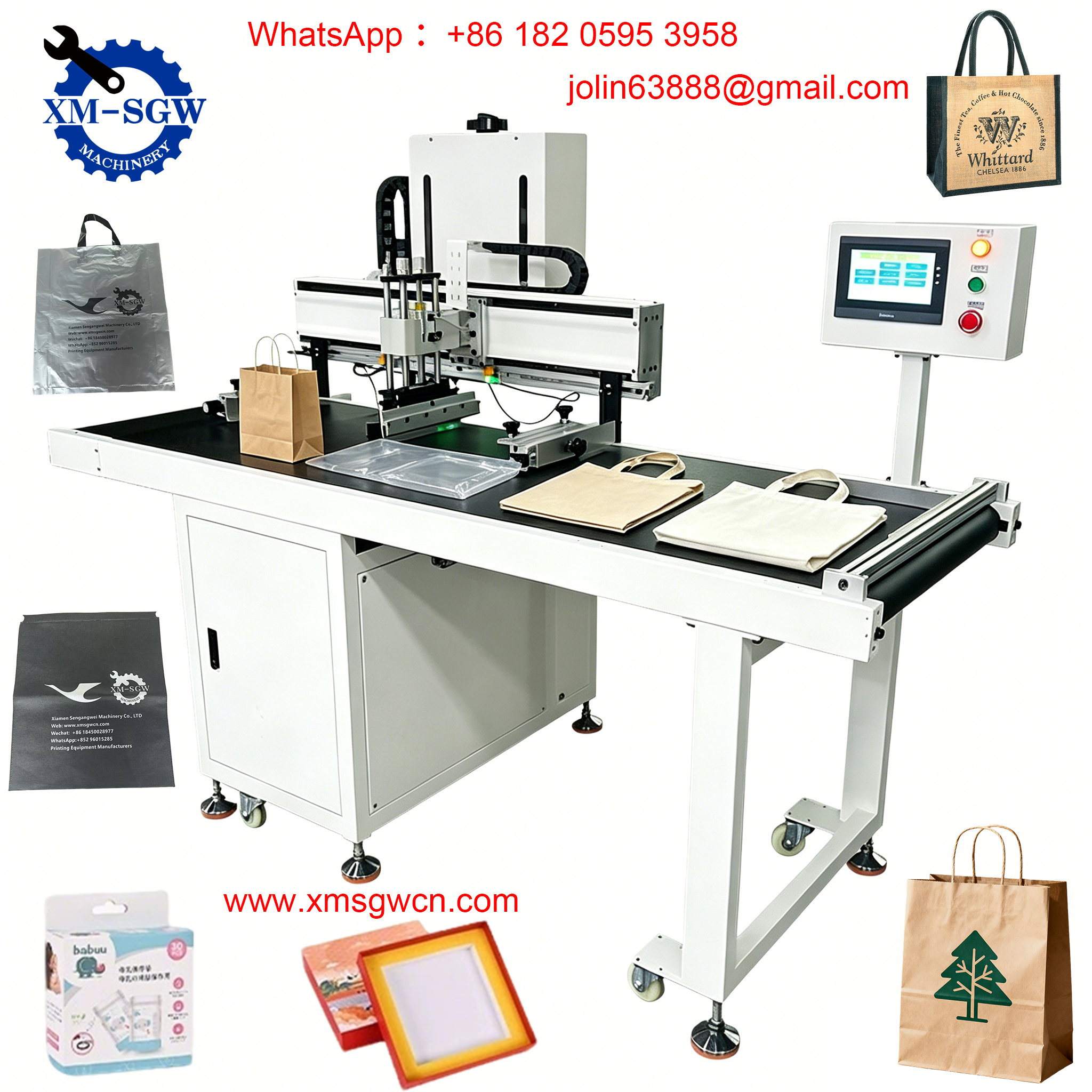
A screen printing machine is a device that transfers ink onto a substrate (the material being printed) by forcing it through a fine mesh screen that has been coated with a light-sensitive emulsion to create a stencil. Each color in a design requires a separate screen, and the machine applies these colors sequentially to create the final image .
Why Screen Printing Still Matters in 2026
Despite advances in digital printing, screen printing remains dominant in many applications because:
- Superior opacity: It produces vibrant, solid colors that show through even on dark fabrics
- Exceptional durability: Screen prints can last over 100 washes without cracking or fading
- Versatility: It prints on almost any material – cotton, polyester, plastic, glass, metal, and more
- Cost-effectiveness at scale: Per-unit costs drop significantly for large production runs
- Specialized applications: It’s essential for printing on curved surfaces, thick materials, and industrial products
How Screen Printing Machines Work
The basic screen printing process involves six main steps:
- Artwork preparation: The design is separated into individual color layers
- Screen making: Each color layer is burned onto a mesh screen using UV light
- Setup: Screens are installed on the press and aligned precisely
- Ink application: Ink is placed on the screen and spread evenly
- Printing: A squeegee forces ink through the screen onto the substrate
- Curing: The printed item is heated to dry and cure the ink
Modern machines automate many of these steps, from feeding and aligning substrates to printing and curing, significantly increasing efficiency and consistency.
Types of Screen Printing Machines 2026
Screen printing machines come in various types, each designed for specific applications and production volumes. Here’s a breakdown of the most common types available in 2026:
1. By Automation Level
Manual Screen Printing Machines
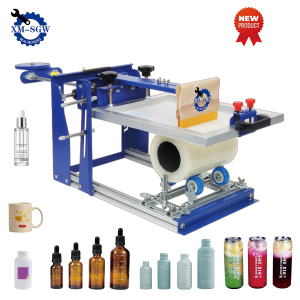
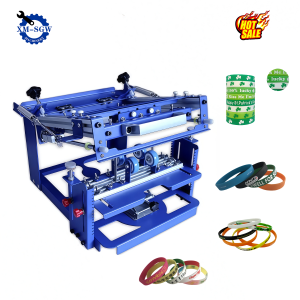
- Price range: $300-$1,200
- Production capacity: 300-800 pieces per day
- Accuracy: ±0.2mm
- Best for: Hobbyists, startups, sample making, and very small batches
- Pros: Low cost, easy to maintain, highly flexible
- Cons: Labor-intensive, slow production, inconsistent quality
Semi-Automatic Screen Printing Machines
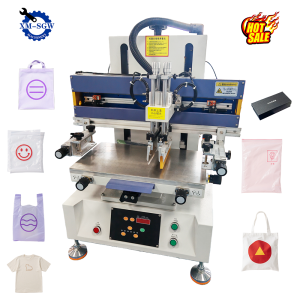
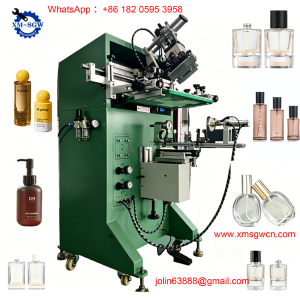
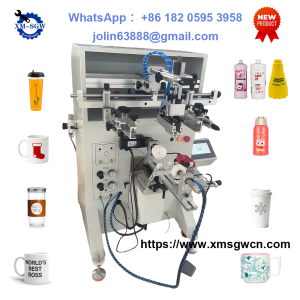
- Price range: $1,500-$7,500
- Production capacity: 800-1,500 pieces per hour
- Accuracy: ±0.08-0.15mm
- Best for: Small to medium businesses, custom shops, and multi-style orders
- Pros: Balances affordability and efficiency, easy to operate, fast changeover
- Cons: Requires manual loading and unloading
Fully Automatic Screen Printing Machines
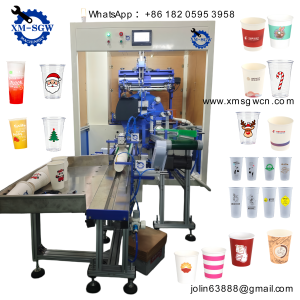
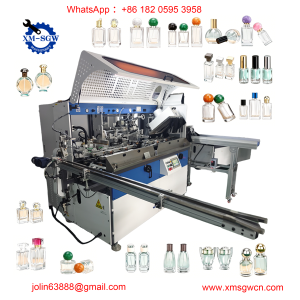
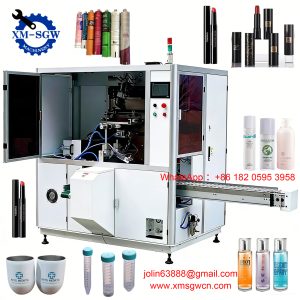
- Price range: $15,000-$300,000+
- Production capacity: 1,800-4,500 pieces per hour
- Accuracy: ±0.01-0.05mm
- Best for: High-volume production, assembly lines, and industrial manufacturing
- Pros: 24/7 operation, minimal labor, consistent quality
- Cons: High initial investment, complex maintenance
2. By Application Type
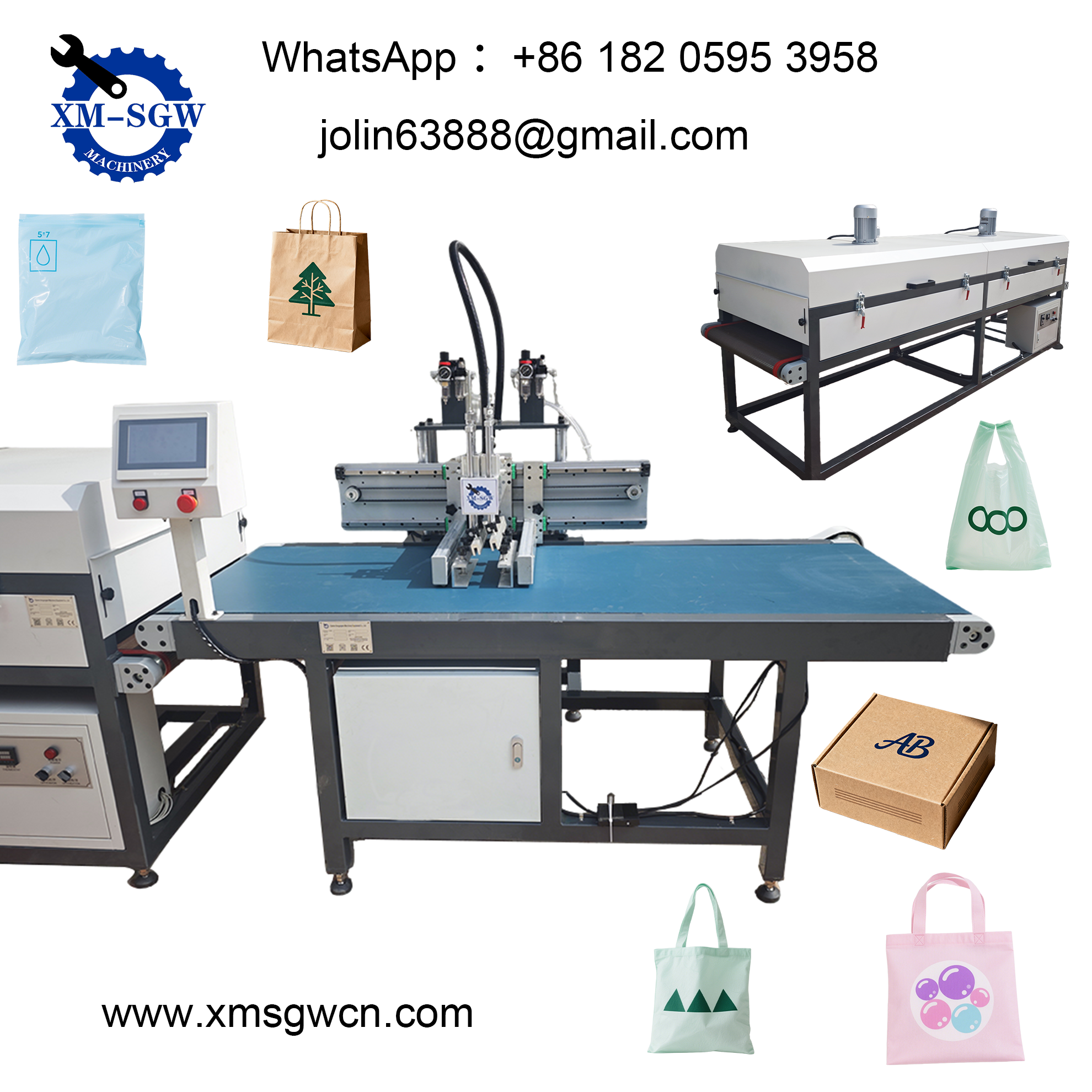
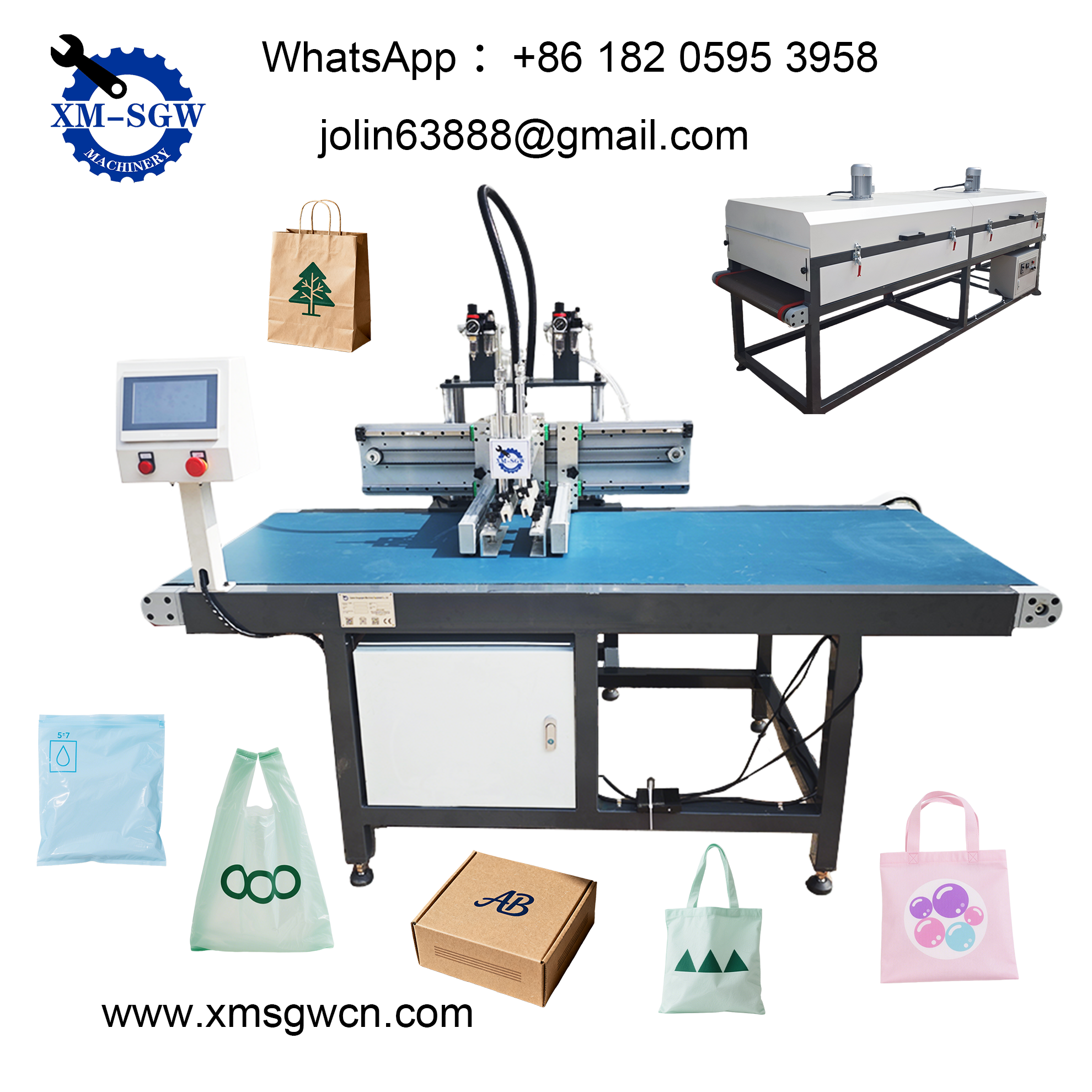
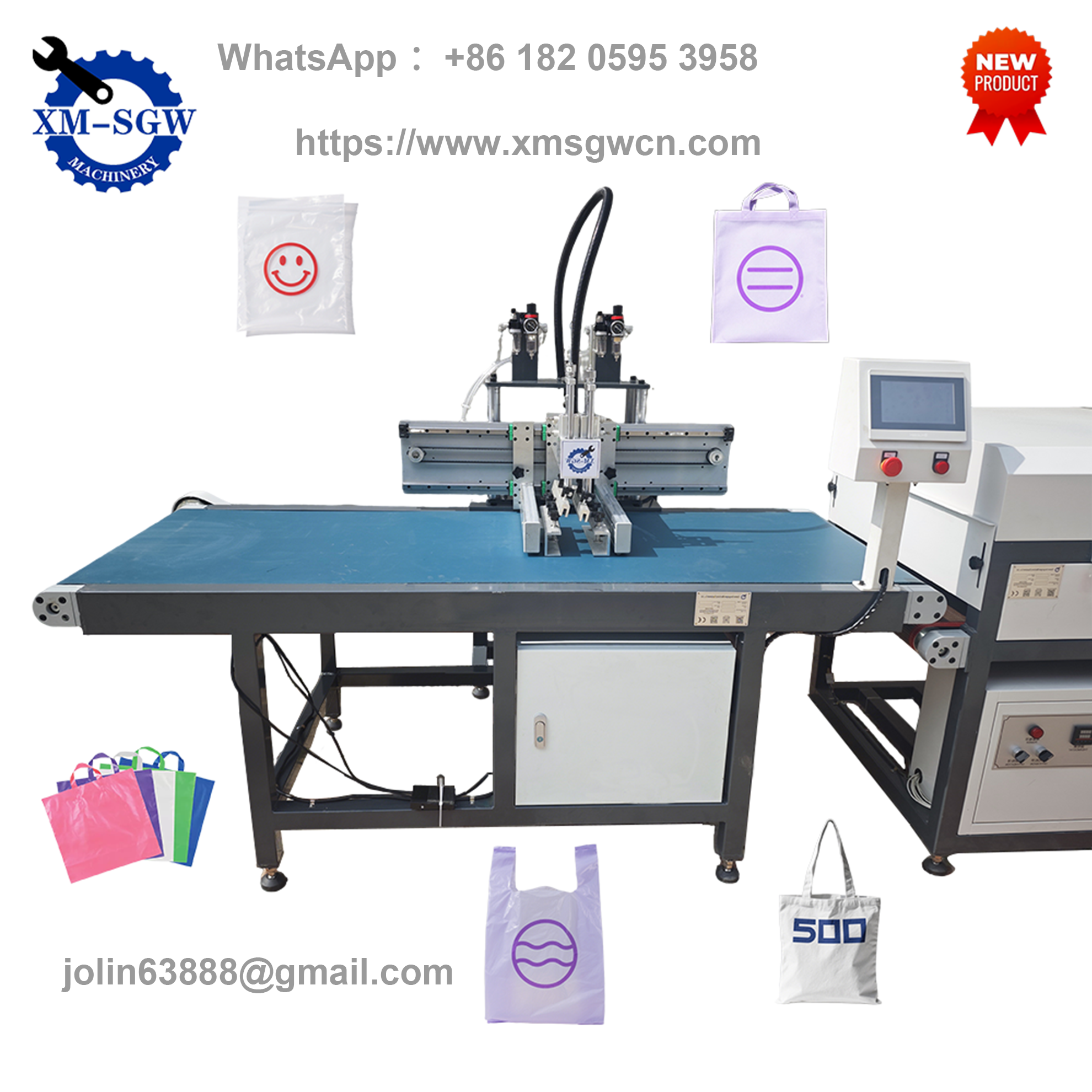
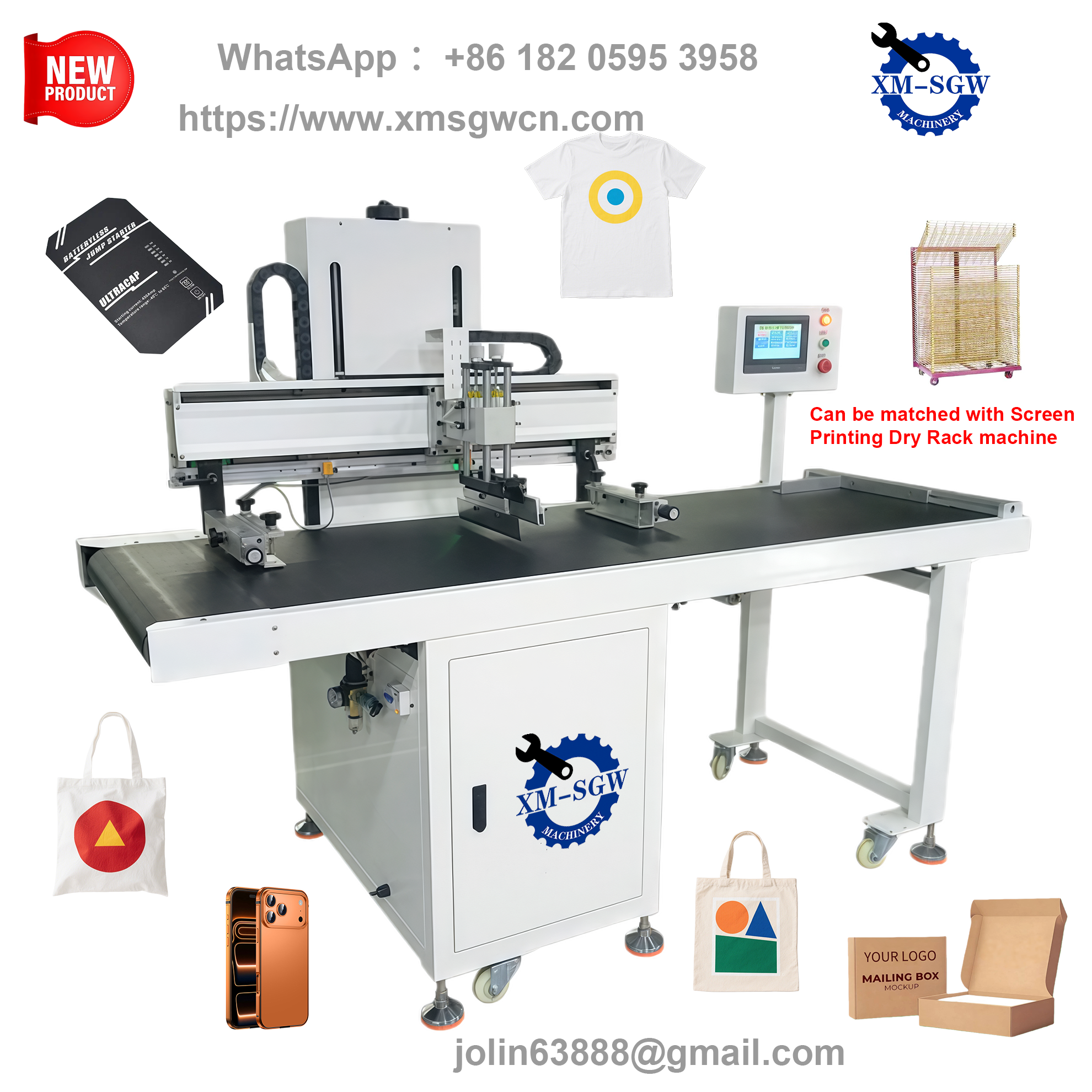
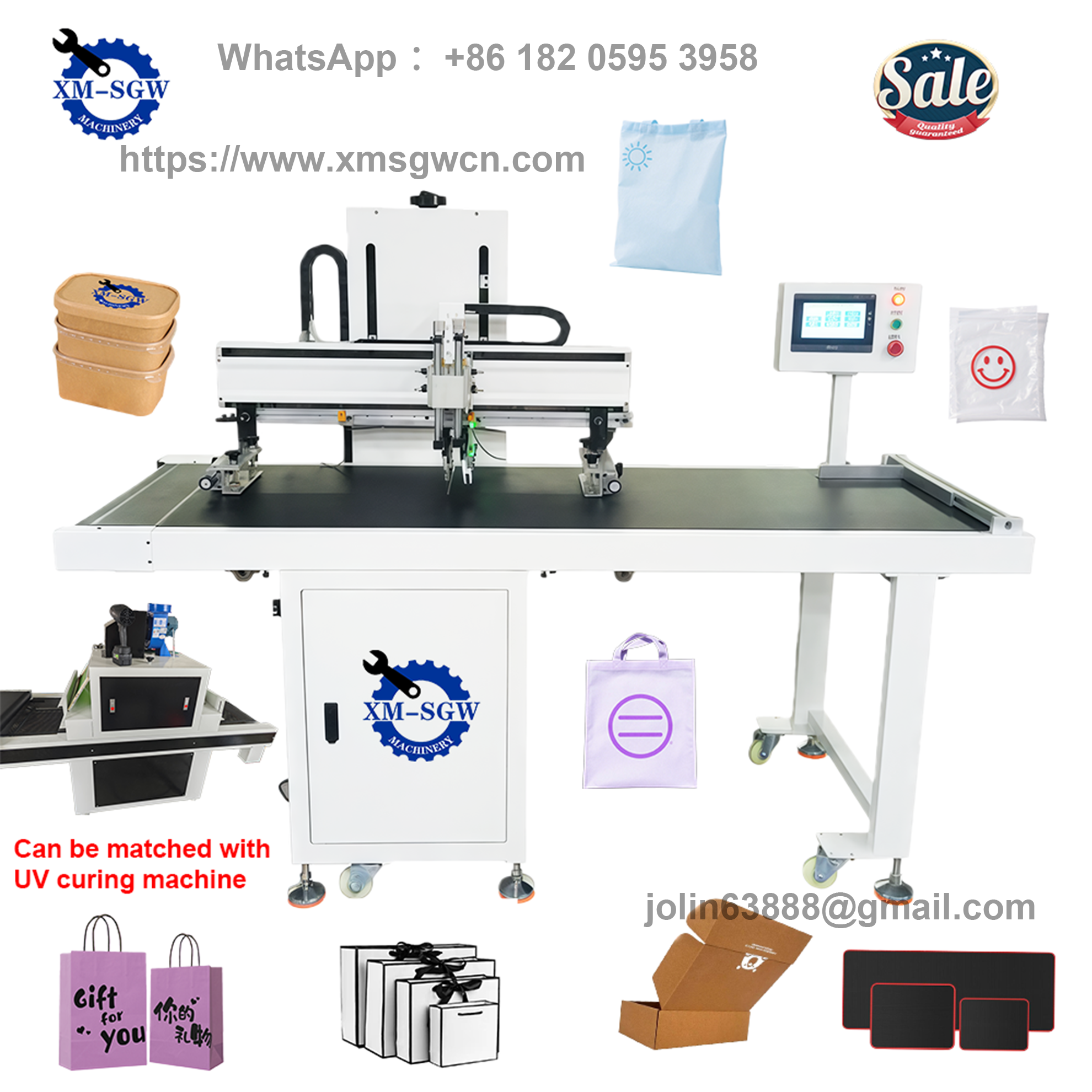
Flatbed Screen Printing Machines
- Best for: Glass, acrylic, metal sheets, PVC, paper, packaging, circuit boards, and signs
- Advantages: High precision, stable color registration, wide application range
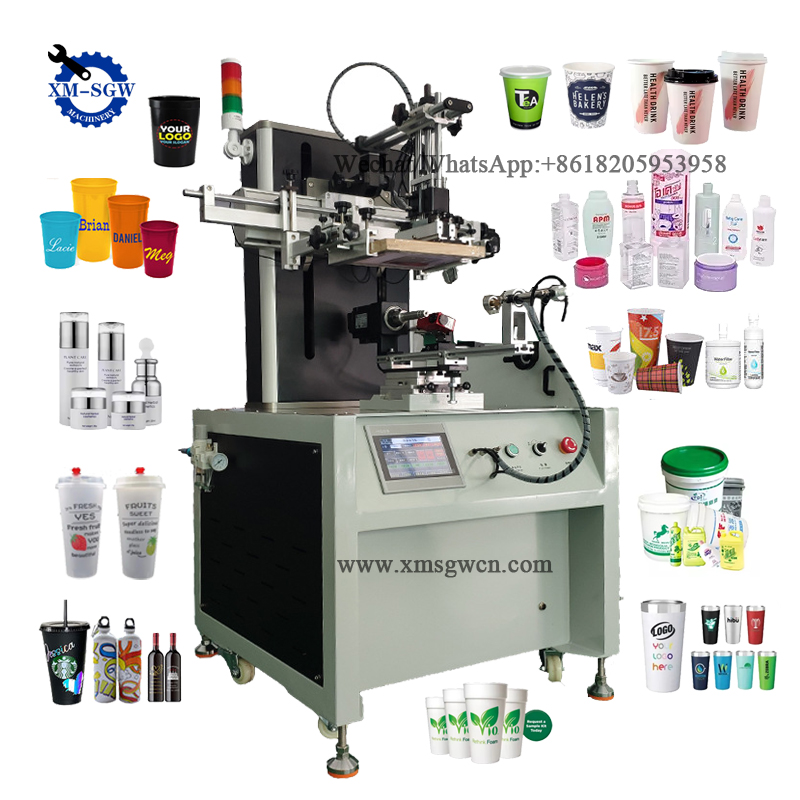
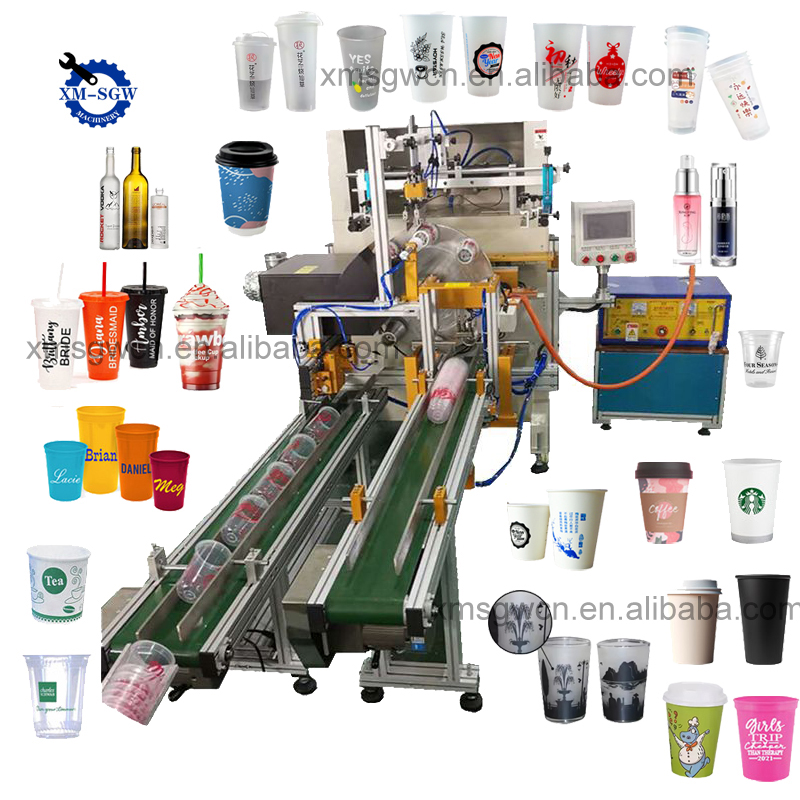
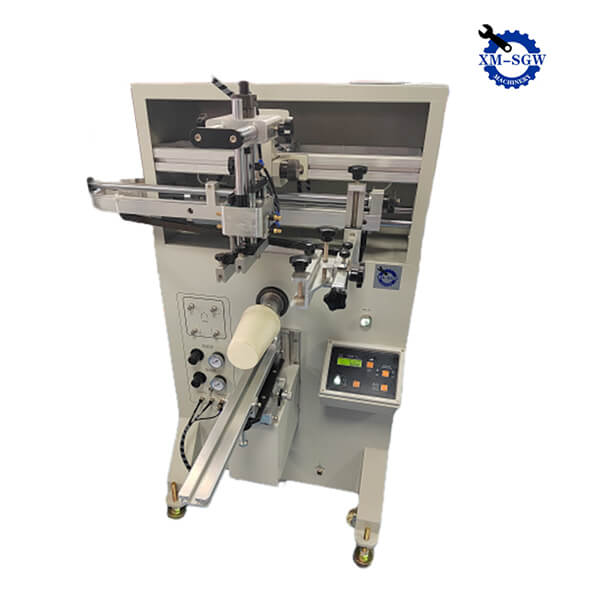
Curved Screen Printing Machines
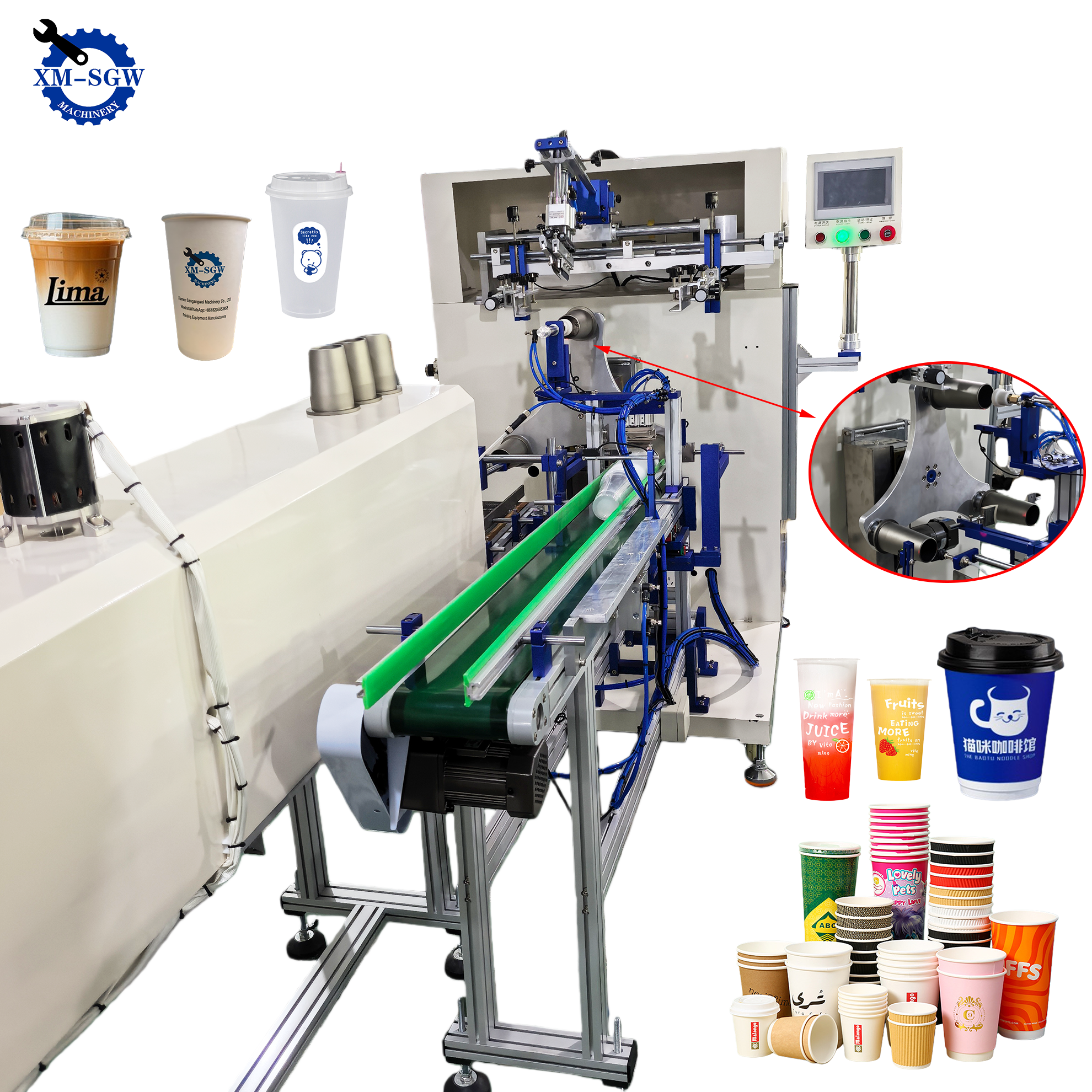
- Best for: Plastic bottles, glass bottles, cups, tubes, candles, and cosmetic containers
- Advantages: 360° rotary printing, no distortion, consistent ink layer
Rotary Screen Printing Machines
- Best for: High-speed textile printing, wallpaper, and flexible packaging
- Advantages: Extremely fast (up to 4,500 linear meters per hour), continuous production
Roll-to-Roll Screen Printing Machines
- Best for: Leather, non-woven fabric, film, wallpaper, and soft packaging
- Advantages: High efficiency for large-area flexible materials
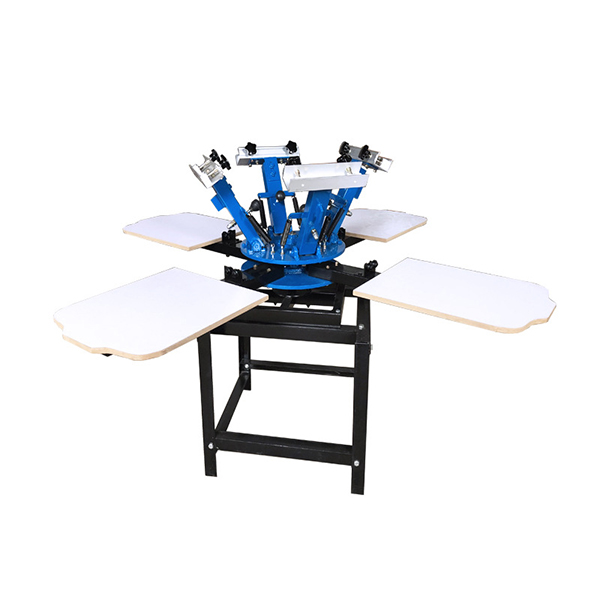
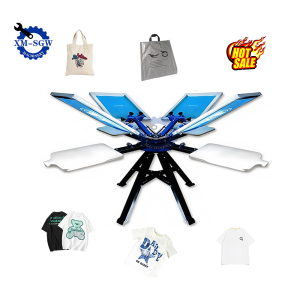
Octopus (Carousel) Screen Printing Machines
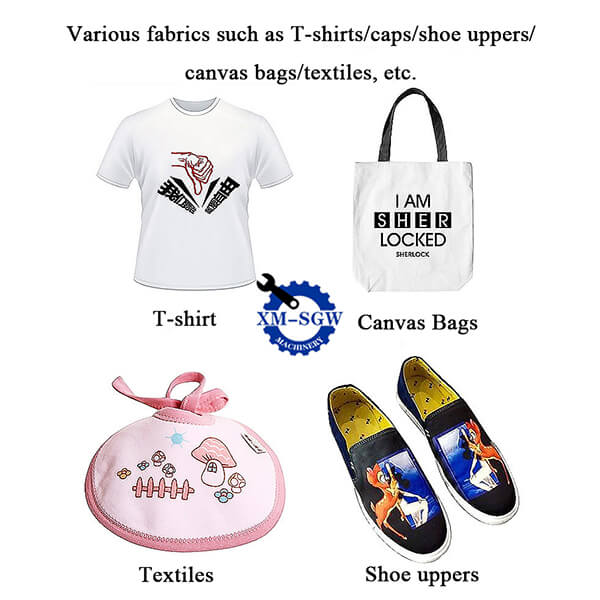
- Best for: T-shirts and apparel production
- Advantages: Multi-station configuration allows simultaneous printing and drying
Screen Printing vs. Digital Printing 2026: Which is Right for You?
The debate between screen printing and digital printing (especially DTG – Direct-to-Garment) continues in 2026. The truth is, they’re complementary technologies, each excelling in different scenarios .
Comparison Table
| Feature | Screen Printing | Digital Printing (DTG) |
|---|---|---|
| Best for | Large runs (50+ units), solid colors, dark fabrics | Small runs (<50 units), complex designs, gradients |
| Color opacity | Excellent (perfect for dark materials) | Good on light fabrics, requires white underbase on dark |
| Durability | 100+ washes | 30-50 washes |
| Setup time | Long (each color needs a screen) | Minimal (direct from digital file) |
| Per-unit cost | Decreases significantly with volume | Relatively constant regardless of quantity |
| Variable data | Not possible | Excellent (each piece can be unique) |
| Substrate range | Extremely wide | Limited mostly to natural fabrics |
The Break-Even Point
The cost curves for screen printing and digital printing cross at approximately 24-36 units, depending on the number of colors in the design . Below this point, digital printing is usually more cost-effective. Above this point, screen printing becomes the better option.
In 2026, many successful print shops operate hybrid models, using both technologies to handle a wider range of customer needs .
2026 Screen Printing Machine Technology Trends
The screen printing industry is undergoing significant technological transformation in 2026. Here are the most important trends:
1. AI and Machine Learning Integration
- AI-assisted art preparation: Automatic color separation and mockup generation
- Predictive maintenance: Sensors detect potential issues before they cause downtime
- Automated defect detection: AI algorithms inspect prints in real-time and reject defective items
2. Advanced Automation
- Robotic loading/unloading: Reduces labor costs and increases production speed
- Automatic screen cleaning systems: Reduce chemical waste by 28% and decrease downtime by 15.2% between color changes
- Integrated finishing: Folding, bagging, and labeling directly from the press
3. Precision Improvements
- CCD visual alignment: Achieves registration accuracy of 99.8%
- Servo-driven squeegee systems: Improve ink deposit consistency to within a 2% variance
- High-mesh screens: Enable fine printing down to 0.1mm for industrial applications
4. Sustainability Focus
- Water-based and UV-curable inks: Reduce VOC emissions significantly
- Energy-efficient curing systems: Lower electricity consumption
- Closed-loop chemical systems: Minimize waste and environmental impact
5. Hybrid Machines
- Screen + digital combination presses: Combine the best of both technologies
- 35% reduction in total job time for complex multi-process designs
- Perfect for: Jobs that require both solid screen-printed colors and digital gradients
How to Choose the Right Screen Printing Machine for Your Business
Choosing the right screen printing machine is one of the most important decisions you’ll make for your business. Here’s a step-by-step guide to help you make the best choice:
Step 1: Define Your Production Volume
- <50 pieces per day: Manual or entry-level semi-automatic
- 50-500 pieces per day: Mid-range semi-automatic
- 500-2,000 pieces per day: High-end semi-automatic or entry-level automatic
- >2,000 pieces per day: Fully automatic production line
Step 2: Identify Your Primary Applications
- Apparel: Octopus/carousel style machines with flash dryers
- Bottles and containers: Curved screen printing machines
- Signs and posters: Flatbed machines
- Packaging: Roll-to-roll or sheet-fed automatic machines
- Electronics: High-precision flatbed machines with CCD alignment
Step 3: Determine Color and Station Requirements
- Number of colors: The number of print heads must equal the maximum number of colors you want to print (plus one for white underbase on dark materials)
- Number of stations: More stations allow faster production and space for flash dryers
- Professional standard: 6 color 4 station or 8 color 6 station configuration
Step 4: Evaluate Key Features
- Registration capabilities: Micro-registration is essential for multicolor jobs
- Construction quality: Look for heavy-duty steel and aluminum components
- Vacuum system: Critical for holding slippery or flexible substrates in place
- Ease of maintenance: Accessible parts and good technical support
- Future expandability: Can the machine be upgraded as your business grows?
Step 5: Consider Total Cost of Ownership
Don’t just look at the initial purchase price. Consider:
- Labor costs
- Maintenance and repair expenses
- Consumable costs (ink, screens, emulsion)
- Energy consumption
- Training requirements
- Resale value
Essential Maintenance Tips
Proper maintenance is crucial to keeping your screen printing machine running smoothly and extending its lifespan. Here are the most important maintenance tasks:
Daily Maintenance
- Clean squeegees and flood bars after each use
- Wipe down the press and remove excess ink
- Check and adjust tension on belts and chains
- Inspect screens for damage
Weekly Maintenance
- Lubricate moving parts according to the manufacturer’s specifications
- Clean the vacuum system and replace filters
- Check alignment and registration
- Inspect electrical connections
Monthly Maintenance
- Deep clean the entire machine
- Check and replace worn parts (squeegee blades, bearings)
- Calibrate the press
- Back up machine settings
Annual Maintenance
- Have a professional technician perform a full inspection
- Replace major wear parts
- Update machine software
- Perform preventive maintenance on motors and drives
Frequently Asked Questions
Q: How much does a good screen printing machine cost?
A: Entry-level manual machines start at around $300, semi-automatic machines range from $1,500 to $7,500, and fully automatic production machines start at $15,000 and can go up to $300,000 or more for industrial systems .
Q: Is screen printing still profitable in 2026?
A: Yes, screen printing remains highly profitable, especially for large-volume orders and specialized applications. The key is to focus on niche markets where screen printing has clear advantages over digital printing.
Q: Can screen printing machines print on plastic and glass?
A: Absolutely. Screen printing excels at printing on non-porous surfaces like plastic, glass, and metal. Specialized inks and curing processes are used to ensure good adhesion and durability.
Q: How long does it take to learn to operate a screen printing machine?
A: Basic operation of a manual or semi-automatic machine can be learned in a few days. However, mastering the craft and achieving consistent, high-quality results takes several months of practice and experience.
Q: What’s the difference between plastisol and water-based inks?
A: Plastisol inks are PVC-based, extremely durable, and opaque. They’re the most common ink for apparel printing. Water-based inks are more environmentally friendly, produce a softer hand feel, but are less opaque and require more careful curing.
Conclusion
Screen printing continues to be a vital technology in 2026, offering unmatched durability, versatility, and cost-effectiveness for many applications. The industry is evolving rapidly, with AI, automation, and sustainability driving innovation and improving efficiency.
When choosing a screen printing machine, the most important factor is to match the machine’s capabilities to your specific business needs. Consider your production volume, primary applications, and long-term growth plans before making a decision.
Whether you’re a small custom shop or a large industrial manufacturer, there’s a screen printing machine that’s perfect for your business. By investing in the right equipment and maintaining it properly, you can ensure years of reliable service and profitable operation.
Ready to find the perfect screen printing machine for your business?
Download our free 2026 Screen Printing Machine Buyer’s Checklist to ensure you don’t miss any important features when evaluating machines. Or contact our team of experts today for a personalized recommendation based on your specific needs.