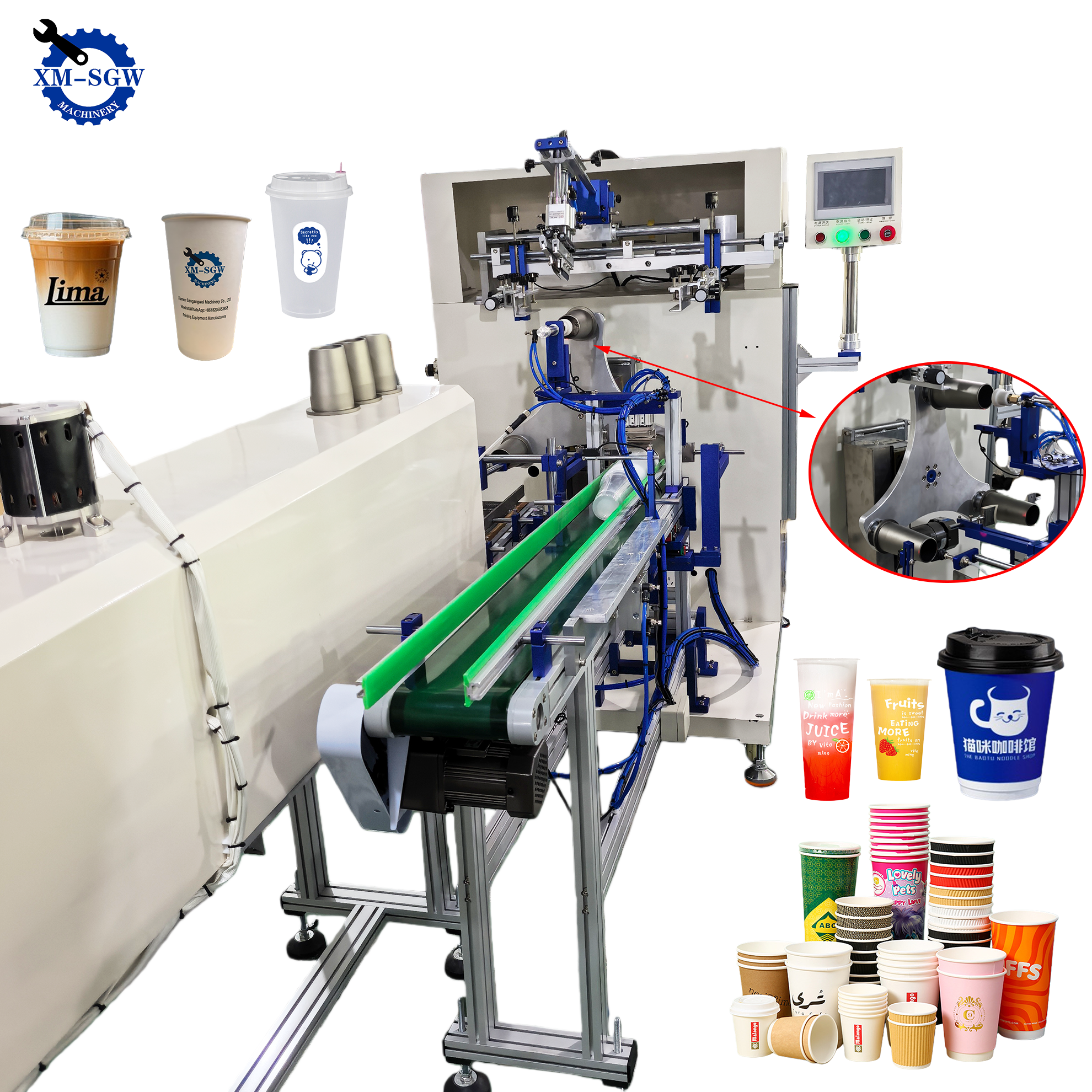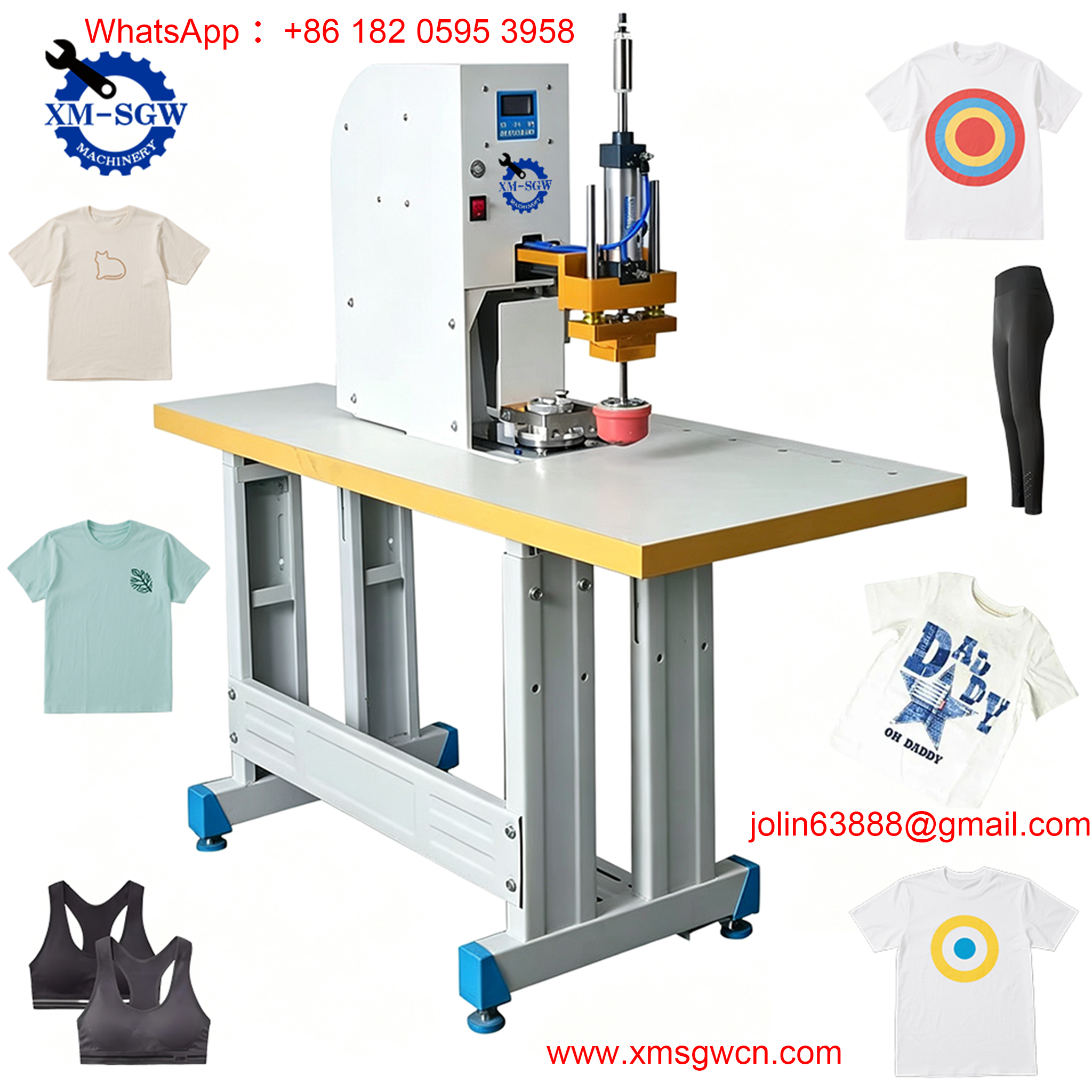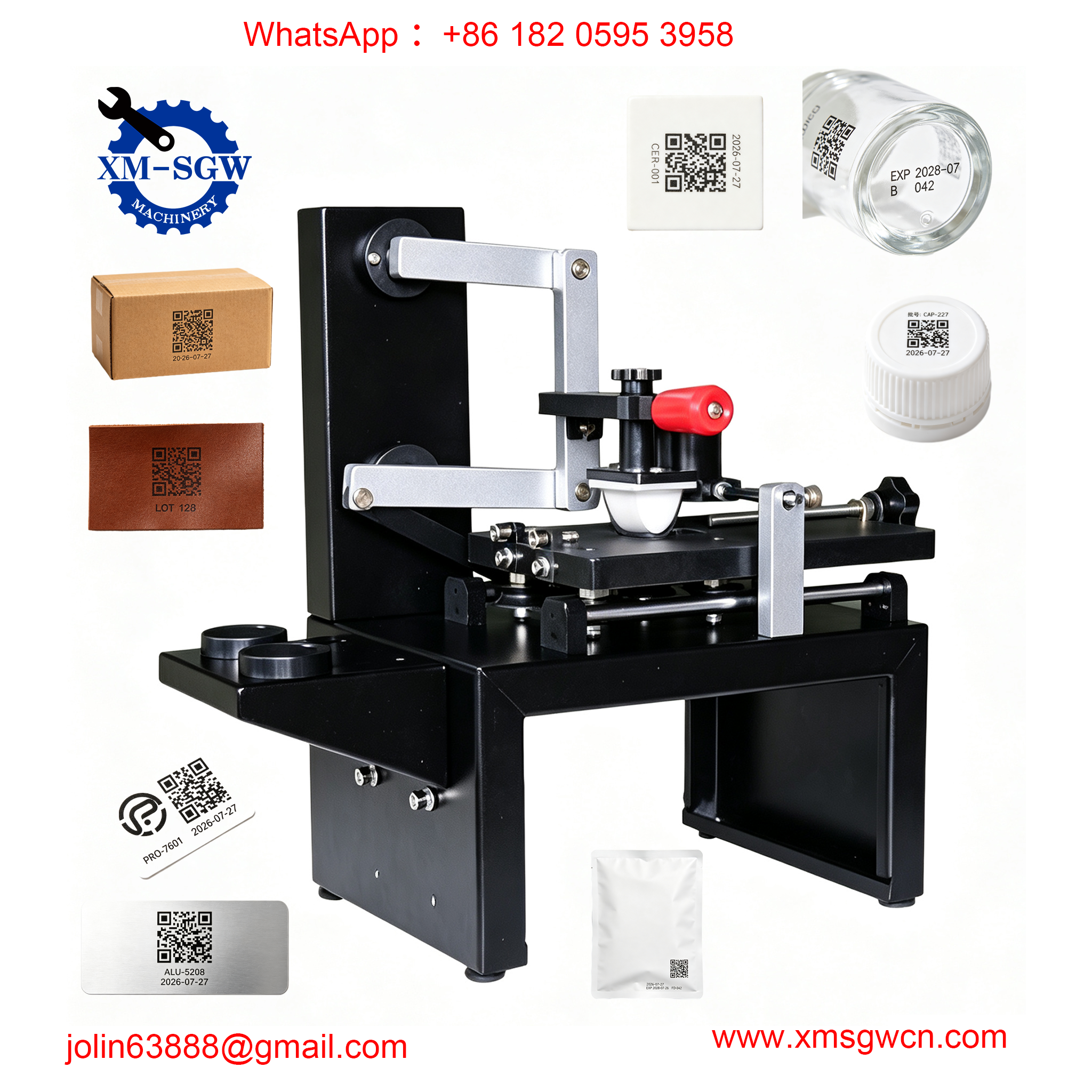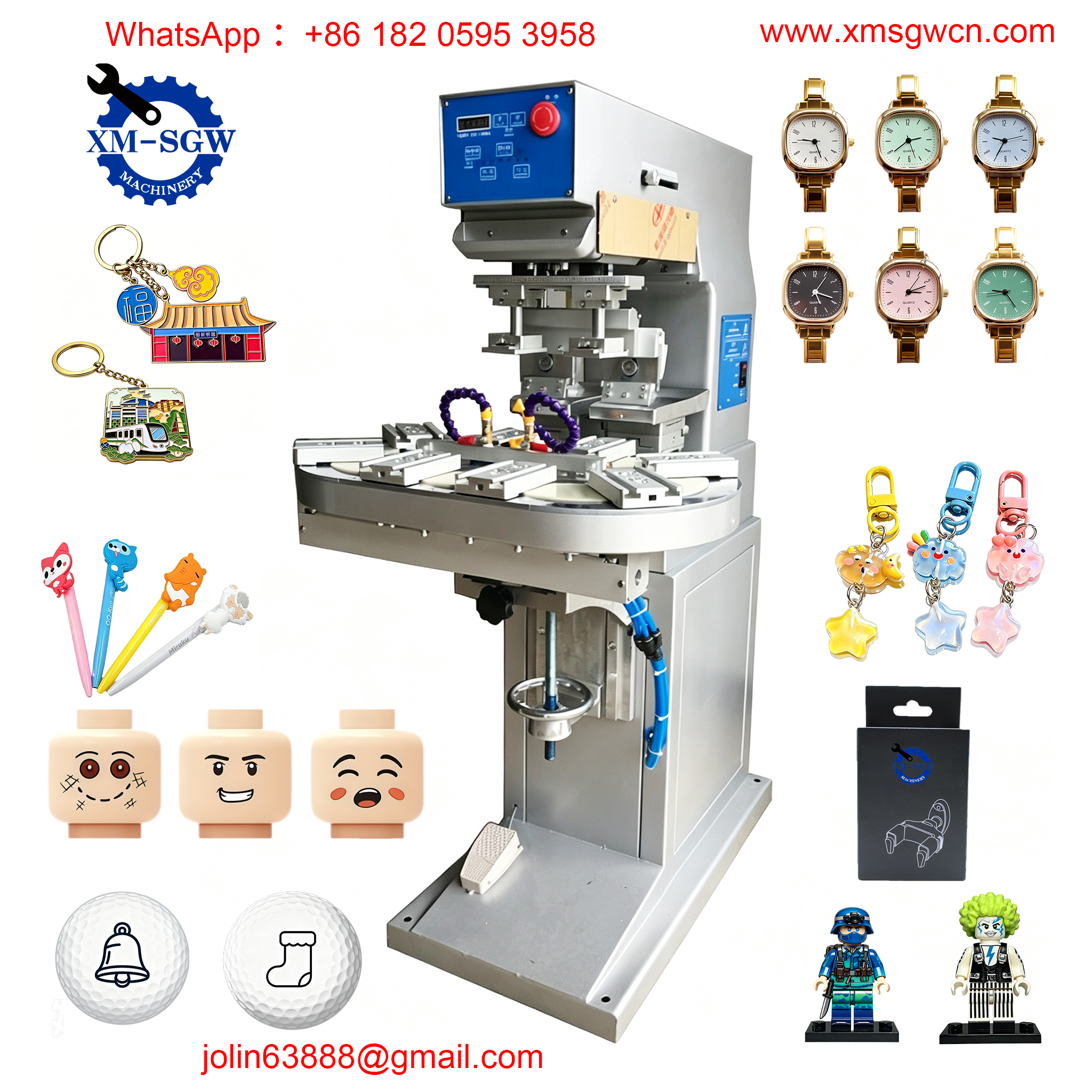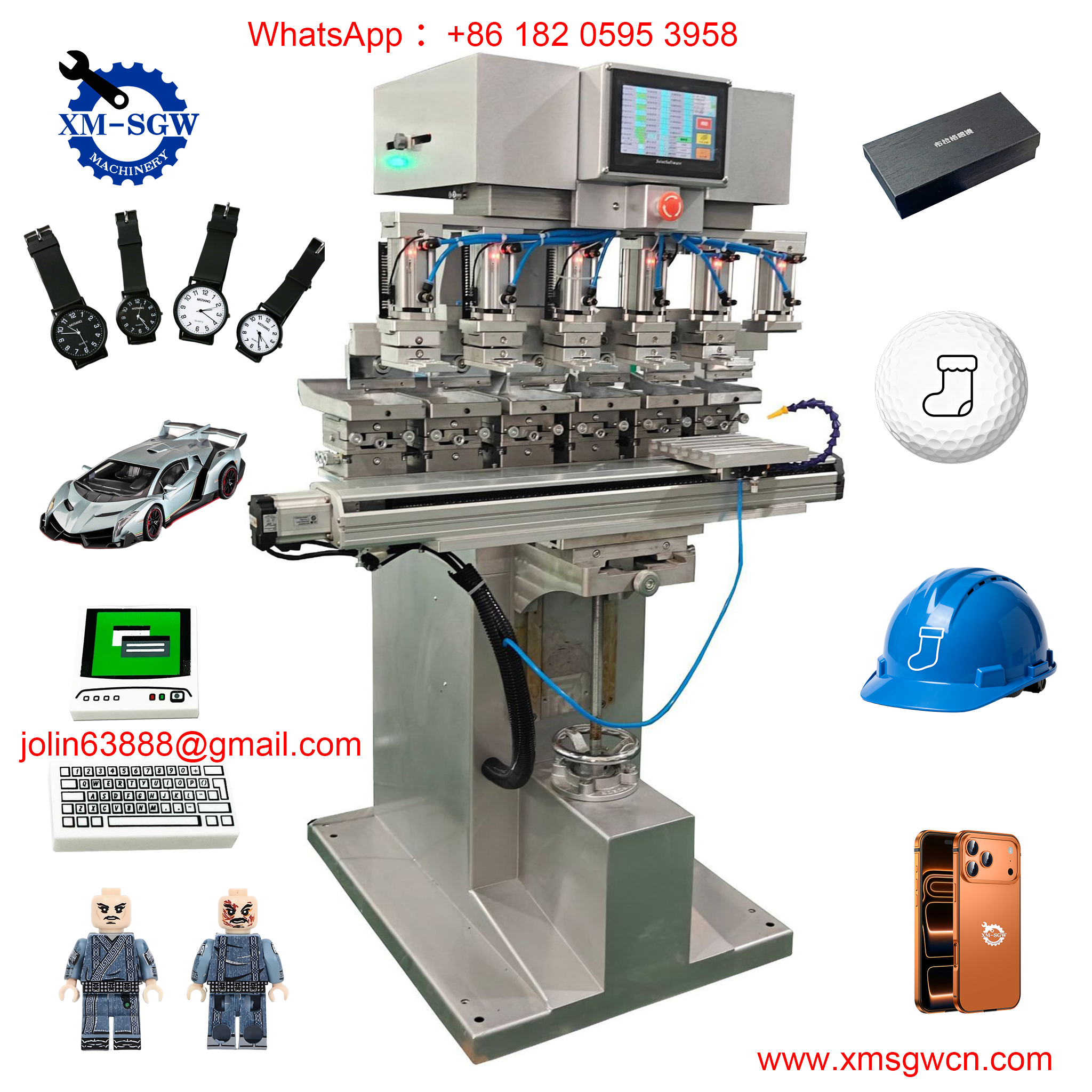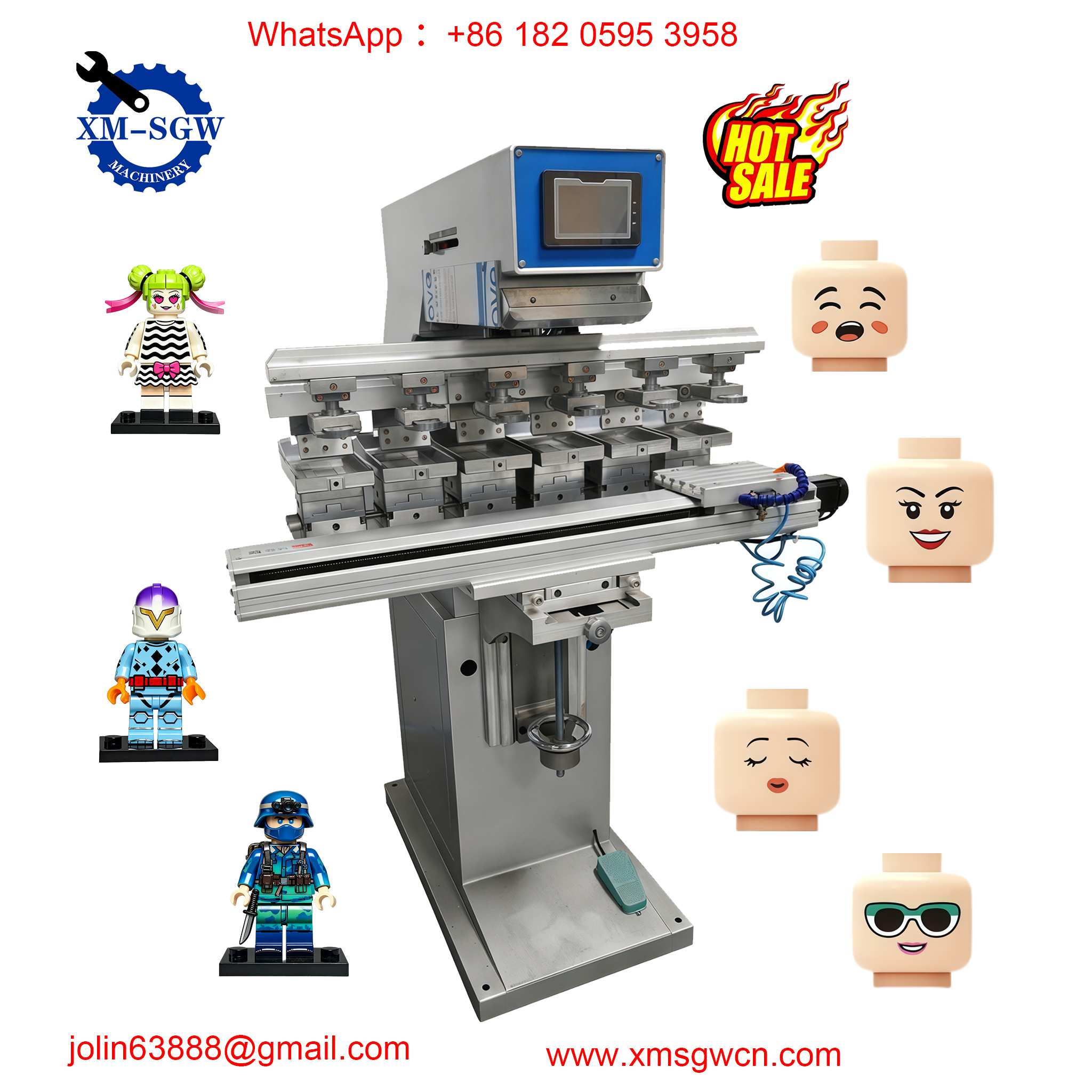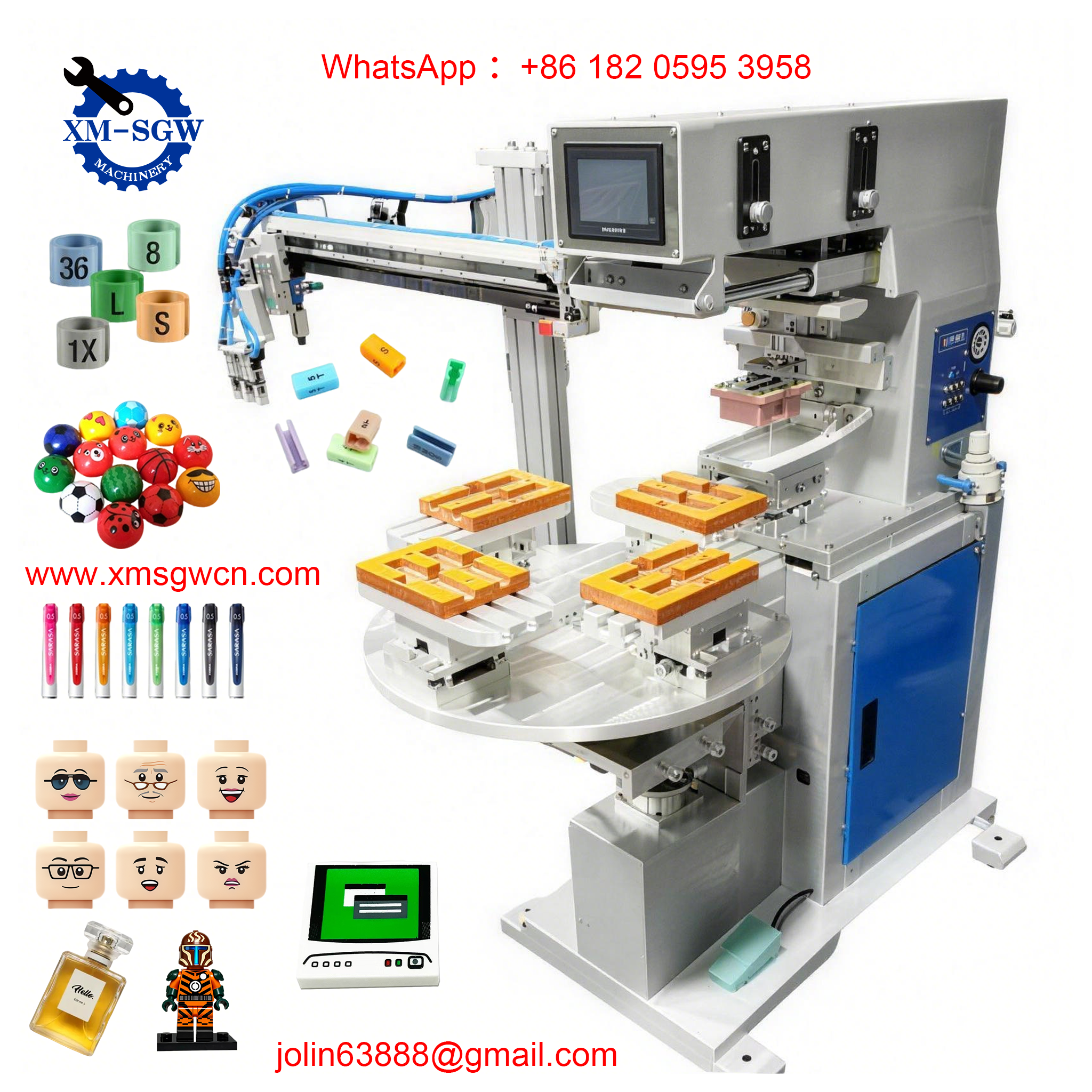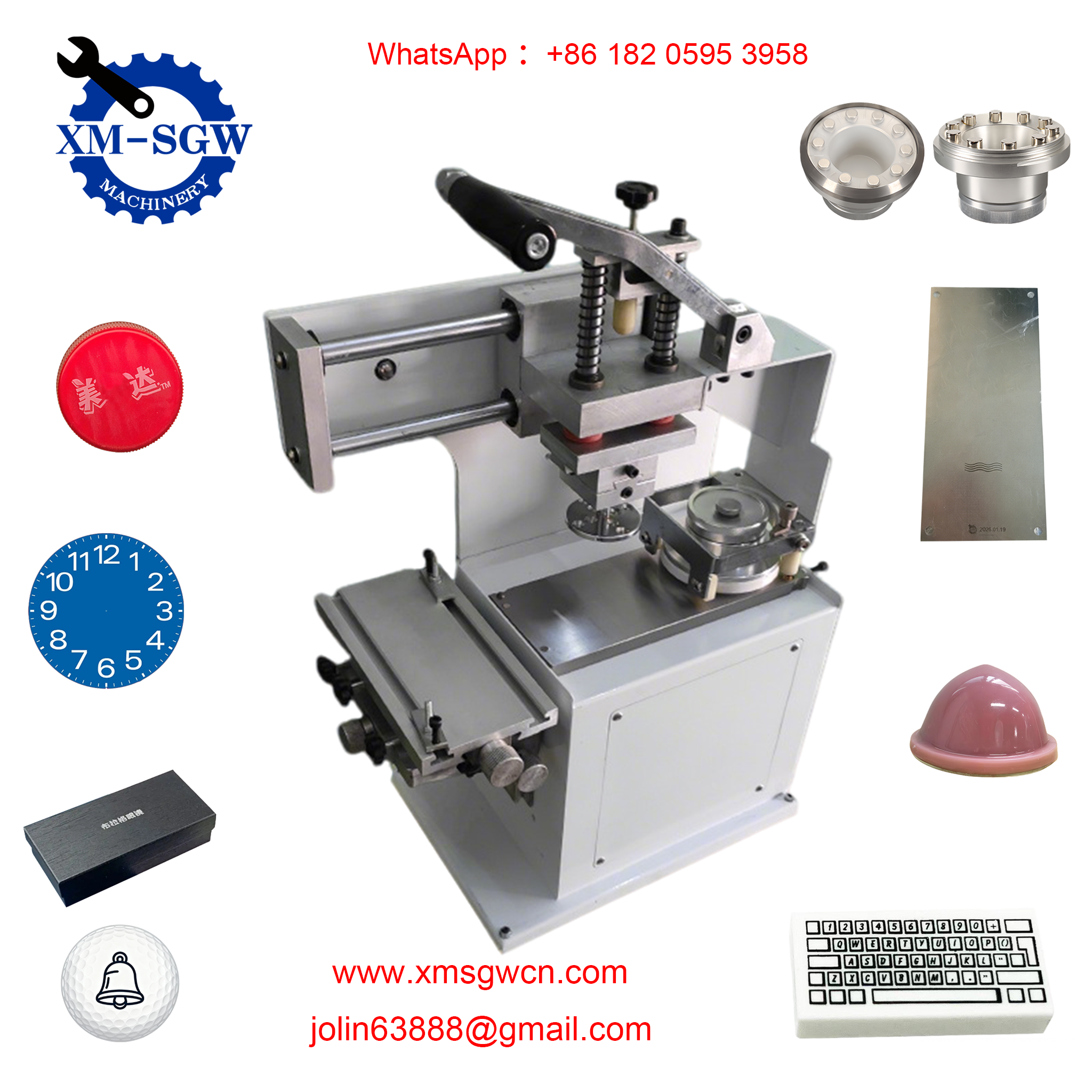
Wondering what materials work best for pad printing? Explore all compatible substrates, printing effects, pre-treatment requirements, and industry applications for pad printing machines in 2026.
Introduction
Pad printing (also known as tampography) is famous for its unique ability to print high-precision graphics on curved, recessed, tiny, irregular, and textured surfaces that screen printing and digital printing cannot handle. Unlike other printing technologies limited to flat substrates, pad printing supports dozens of common industrial and daily materials, making it the top choice for small-component marking, logo decoration, and functional part printing.
However, not all materials perform the same. Some substrates achieve perfect adhesion directly, while others require simple surface pre-treatment for long-lasting printing results. In this guide, we will fully break down all materials suitable for pad printing, their printing effects, pre-treatment needs, and typical industry use cases, helping you confirm whether pad printing is the right solution for your products.
1. All Plastic Materials (Most Popular for Pad Printing)
Plastic is the most common pad printing substrate. Most rigid and engineering plastics offer excellent ink adhesion, clear fine-text printing, and stable durability. Pad printing is widely used for plastic part branding, serial number marking, and logo customization.
Suitable Plastic Types & Printing Performance
-
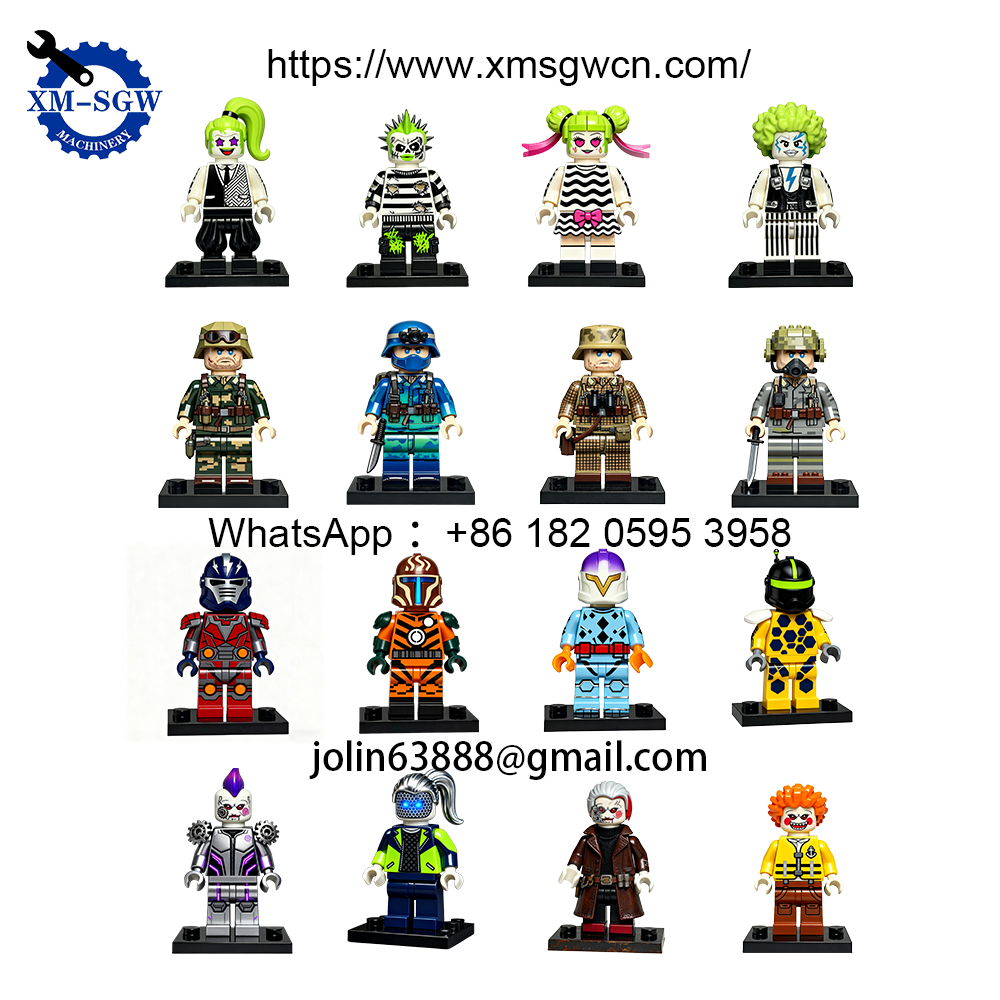
ABS / PC / PS / PVC / PMMA (Acrylic) – No pre-treatment needed These high-surface-energy plastics support direct pad printing with perfect ink adhesion, sharp tiny text, and smooth color filling. Ideal for electronic housings, toy parts, Lego bricks, buttons, and cosmetic shells.
-
PP / PE / HDPE / LDPE – Requires flame or corona pre-treatment Polypropylene and polyethylene have low surface tension, causing ink peeling without treatment. After simple pre-treatment, they achieve industrial-grade scratch resistance, perfect for bottle caps, plastic tubes, and packaging shells.
-
Nylon / PA / POM / PU – Minor pre-treatment or special ink required Common in hardware accessories and industrial parts. With matched ink formulas, printing results are stable and wear-resistant.
Best applications: Electronic buttons, plastic toys, cosmetic containers, bottle caps, stationery, plastic casings, daily plastic products.
2. Metal Materials
Pad printing works exceptionally well on smooth and matte metal surfaces. It delivers thin, flat, non-protruding prints that do not affect post-processing such as electroplating, spraying, and assembly. Metal pad printing features strong scratch resistance and high-temperature resistance with dedicated metal ink.
Suitable Metals
Aluminum, stainless steel, iron, copper, brass, alloy metal, anodized metal, and painted metal surfaces.
Notes: No pre-treatment required for most polished and matte metals. For mirror-finish metals, use high-adhesion metal ink to improve durability.
Best applications: Hardware tools, metal accessories, automotive parts, stainless steel utensils, metal badges, instrument panels.
3. Glass & Ceramic Materials
Glass and ceramic are smooth, non-porous substrates. Pad printing can print ultra-fine logos, lines, and icons on curved glass bottles, flat ceramic surfaces, and irregular ceramic crafts. With glass-curing ink, prints resist water washing and daily friction.
Suitable Scenarios
-
Cosmetic glass bottles, perfume bottles, essential oil vials
-
Drink cups, glass crafts, ceramic tableware
-
Ceramic accessories, bathroom hardware decoration
Note: Glass and ceramic usually require dedicated high-adhesion ink and proper curing for long-term performance.
4. Silicone & Rubber Materials
Silicone and soft rubber are flexible, elastic substrates that easily deform during printing. Traditional screen printing fails easily with ink cracking, while pad printing’s soft silicone printing pad perfectly fits elastic surfaces, achieving non-cracking, stretchable printing effects.
Suitable products: Silicone buttons, rubber keypads, silicone wristbands, soft rubber accessories, sealing parts.
5. Coated & Painted Surfaces
All spray-painted, UV-coated, and varnished surfaces support pad printing. Whether matte, glossy, soft-touch, or textured coating, pad printing can print clear logos without damaging the original coating layer.
Typical products: Spray-plastic shells, painted hardware, coated gift boxes, finished electronic products.
6. Wood, Paper & Light Textured Materials
Pad printing is suitable for fine pattern printing on smooth wood, plywood, cardboard, and coated paper. It is widely used for small logo marking on wooden crafts, stationery, and packaging accessories.
7. Special Industrial Materials
Pad printing also supports many high-end industrial substrates, including:
-
Carbon fiber: Automotive and sports equipment marking
-
Epoxy resin: Craft and electronic part decoration
-
Leather & synthetic leather: Fine logo printing on leather accessories
Materials Not Suitable for Pad Printing
To avoid printing failure and loss, clarify materials that do not fit pad printing:
-
Large flat soft fabrics: Better for screen printing or DTG printing
-
Super rough unprocessed stone: Too uneven for ink transfer
-
Ultra-large area patterns: Pad printing limits print size; large graphics suit screen printing
Pad Printing vs. Screen Printing vs. UV Printing: Material Selection Rule
|
Printing Technology
|
Best Material Features
|
Advantage Scenario
|
|---|---|---|
|
Pad Printing
|
Small, curved, recessed, irregular, tiny text & logos
|
High-precision small parts, complex surfaces
|
|
Screen Printing
|
Flat, large area, thick ink layer needed
|
Bags, garments, large flat logos
|
|
UV Printing
|
Full-color photos, personalized patterns
|
One-piece custom, no-plate color printing
|
Key Pre-Treatment Rules for Difficult Materials
Only two common materials need pre-treatment for stable adhesion:
-
PP / PE plastic: Flame treatment or corona treatment to raise surface tension for strong ink bonding.
-
Silicone rubber: Special silicone ink and surface activator to avoid peeling.
All other conventional plastics, metals, glass, and coatings support direct printing.
Why Choose Pad Printing for Your Material Decoration?
-
Super material compatibility: Covers almost all hard and partial soft industrial materials
-
Ultra-high precision: Prints tiny text, logos, and details as small as 1mm
-
Perfect for complex shapes: Curved, concave, convex, stepped parts are all applicable
-
Low cost for small batches: Ideal for high-mix, low-volume orders
-
Durable printing effect: Scratch-resistant, waterproof, and wear-resistant after full curing
Frequently Asked Questions
Q: Can pad printing print on plastic bottle caps?
Yes. PP/PE bottle caps need flame pre-treatment, while ABS/PVC caps can be printed directly. It is the mainstream printing method for cosmetic and beverage cap logos.
Q: Is pad printing better than UV printing for small plastic parts?
Yes. Pad printing has higher precision, better ink adhesion, stronger wear resistance, and lower batch production cost for tiny component marking.
Q: Can silicone and rubber products be pad printed?
Absolutely. Pad printing’s soft transfer feature avoids ink cracking on elastic surfaces, which is far better than screen printing.
Q: Does metal pad printing fade easily?
No. With professional metal ink and complete curing, metal pad printing resists friction, wiping, and outdoor exposure for long-term use.